Practical resources

Patient guides

Short pathways for common questions before and after biopsy, surgery, Mohs and reconstruction.

From suspicion to long-term outcome
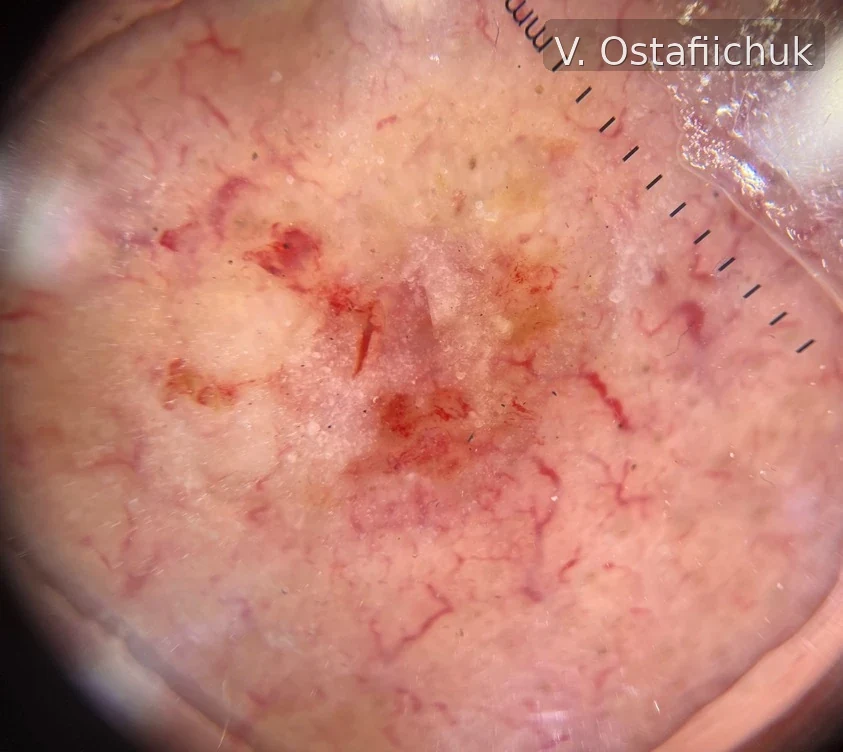
Dermoscopy example of basal cell carcinoma
Before treatment. Clinical assessment and dermoscopy help frame the biopsy question.
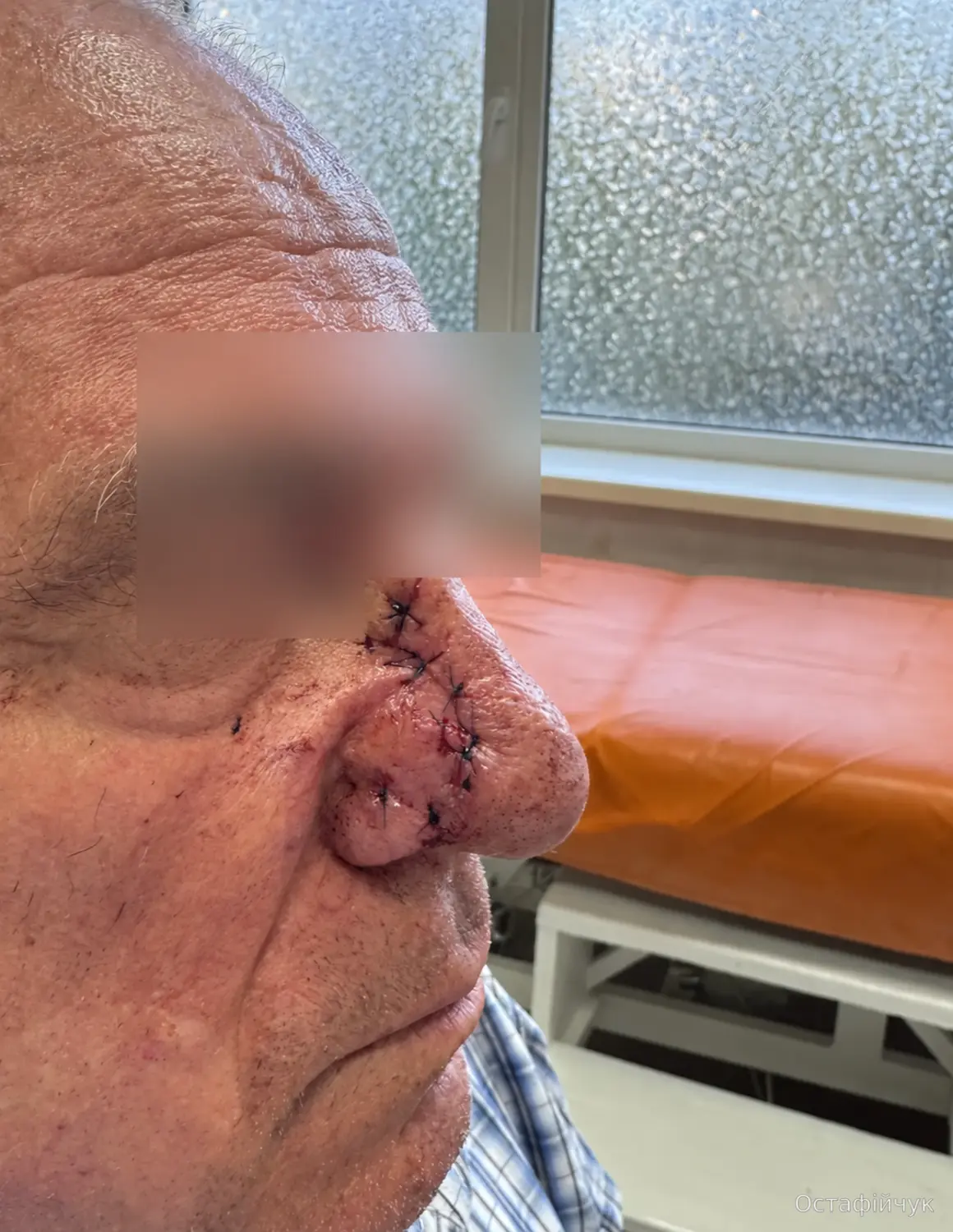
Early postoperative result after nasal reconstruction
Early postoperative period. Swelling, flap colour and scar appearance evolve - patients need to know what is expected.
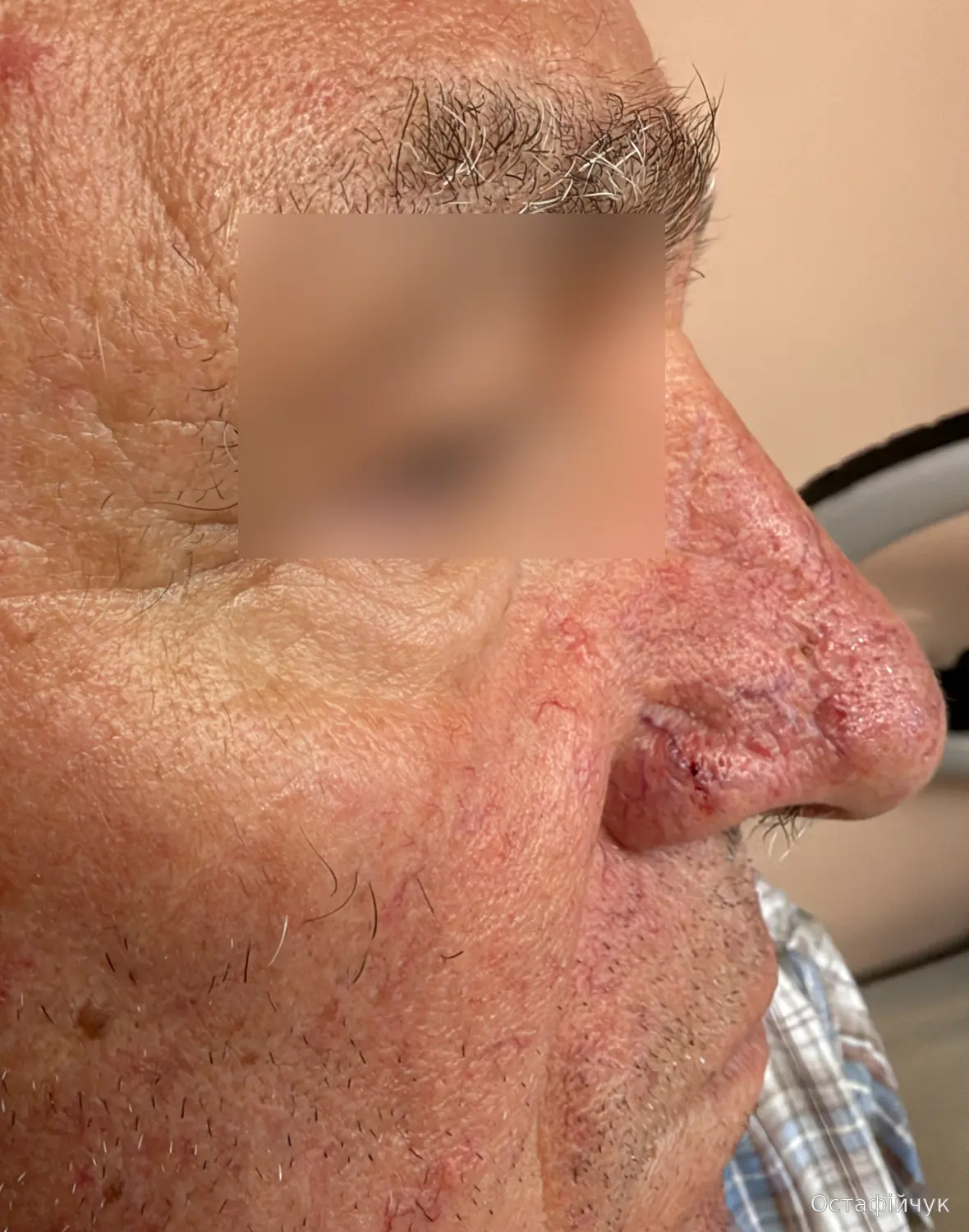
One-year result after nasal reconstruction
Long-term result. Oncological control, function and appearance are assessed beyond the day of surgery.
Before diagnosisA suspicious spot or nodule

When not to wait and what information to bring.

Skin biopsy →
ProcedureHow to prepare for biopsy

Medication, anticoagulation, allergies and what the biopsy should answer.

Read →
SurgeryWhat Mohs surgery does

Layer-by-layer margin control for selected tumours and sites.

Mohs →
After surgeryWound, flap or skin graft

What is expected early, how healing changes, and when to contact the team.

Postoperative guide →
Follow-upFollow-up after BCC/cSCC

Scar, new skin cancers, regional nodes and risk-adapted imaging.

Follow-up guide →
PreventionSun protection after skin cancer

Shade, clothing, no tanning beds, sunscreen and scar protection.

Sun-protection guide →
BCCFollow-up after basal cell carcinoma

Scar review, new skin tumours and risk of further lesions.

BCC →
cSCCFollow-up after higher-risk cSCC

Scar, regional nodes and risk-adapted imaging, especially in the first years.

cSCC →
Rare tumoursIf the pathology diagnosis is unusual

Do not rush into repeat surgery before expert pathology review and appropriate staging.

Rare skin tumours →
PathologyUnderstanding the pathology report

Type, invasion, margins, PNI/LVI and when expert review matters.

Read the report →
Lymph nodesWhen ultrasound, CT, needle biopsy or SLNB is relevant

BCC, cSCC and Merkel have very different nodal-staging pathways.

Lymph-node guide →
Self-examSkin + scar + regional nodes

About once a month, calmly inspect your skin and surgical scar and note any new or persistently changing lesion; a mirror or photographs can help with hard-to-see areas.

How to organise follow-up →

When not to wait for the next routine visit

Contact your clinical team earlier if: a new firm nodule develops in or beside the scar; a lesion grows quickly, repeatedly bleeds or ulcerates; new persistent pain, numbness or facial weakness appears; or a regional lymph node enlarges. After surgery, increasing swelling or pain, purulent discharge, fever or a marked colour change in a flap or graft also deserve early review.

These findings do not automatically mean recurrence or a complication, but they should not simply be deferred until the next scheduled appointment.