Melanoma: find your pathway
Most melanomas begin in the skin. Acral, mucosal and uveal melanoma, however, have important differences. Start with your situation rather than with medical terminology.
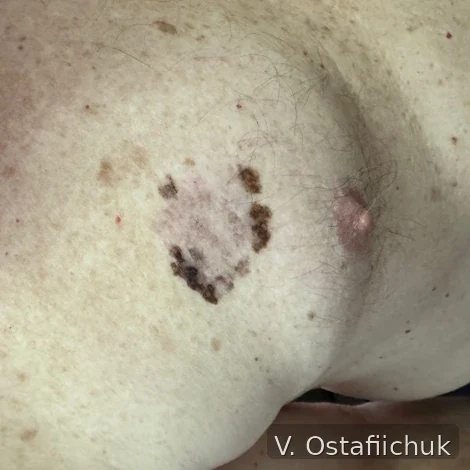
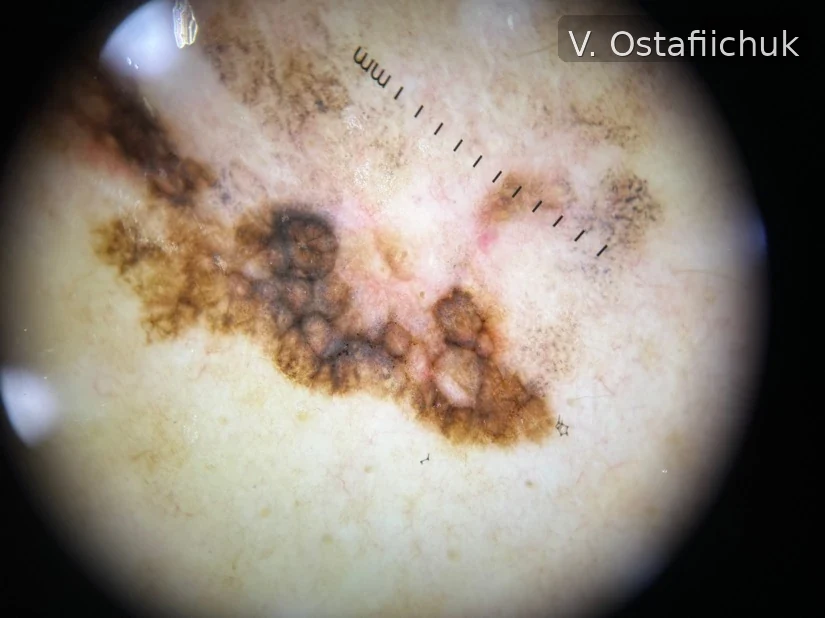
Understand TNM definitions, stage grouping and where the system is not applicable.
What brought you here?
You do not need to know your stage or medical terminology. Choose the situation closest to yours.
ABCDE, the ugly-duckling sign, change in colour, shape or size, or bleeding.
What to check → 2I have not had a biopsy yetHow to obtain an adequate specimen without compromising the next stage of treatment.
How biopsy is planned → 3My pathology report says melanomaWhich pathology details matter and which decisions should be planned together.
My next steps → 4I have been advised to have a wide excisionWhy diagnostic removal does not always complete surgical treatment.
Understand wide excision → 5I have been told about a sentinel nodeWhen sentinel lymph node biopsy is discussed and what the result adds.
Understand SLNB → 6I have stage IIB, IIC, III or IV diseaseWhen treatment extends beyond surgery: immunotherapy, BRAF/MEK and therapy before or after surgery.
Systemic treatment →If you remember only three things
This is enough to avoid getting lost at the start.
Even if melanoma appears completely removed at biopsy, definitive treatment is planned after the pathology report.
Breslow thickness, ulceration, regional nodal status and disease extent determine the next decisions.
With clinically or radiologically apparent stage III disease, the plan should be discussed before major surgery because neoadjuvant immunotherapy has become an important international option.
Which melanoma are we talking about?
Cutaneous melanoma is the main pathway. Acral melanoma is a distinct cutaneous subtype, while mucosal and uveal melanoma have separate biology and clinical algorithms.
Main pathwayCutaneous melanomaSuspicion → biopsy → Breslow → wide excision → sentinel node → stage → systemic treatment → follow-up.
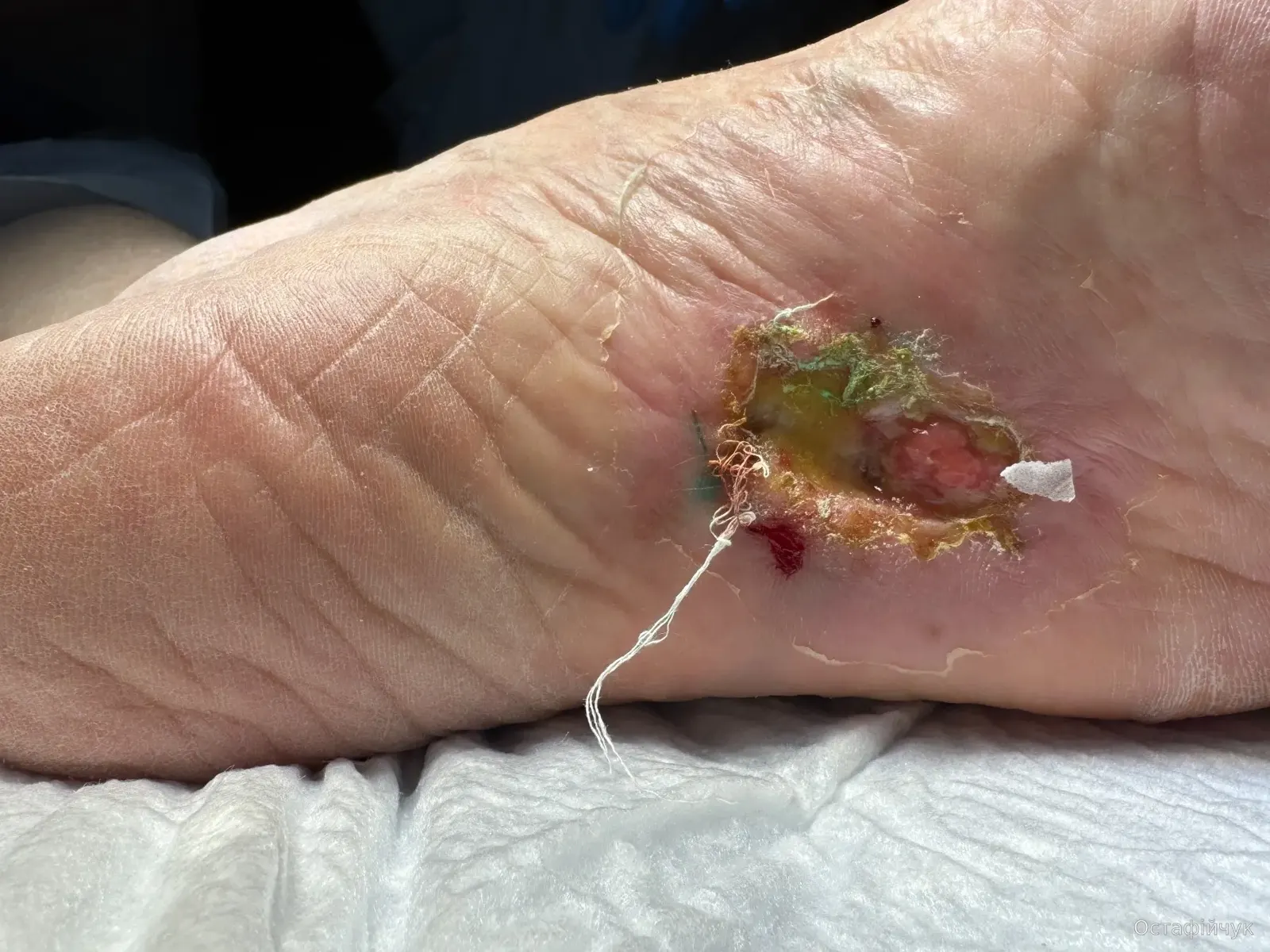
Cutaneous, but distinctMelanoma of the palm, sole or nail unitAcral melanoma is often unrelated to ultraviolet exposure and may resemble trauma or a chronic wound.
Rare melanomaMucosal melanomaNasal/oral, anorectal and vulvovaginal sites. A separate pathway and multidisciplinary planning are essential.
 Dedicated clusterUveal melanoma
Different biology, liver-dominant metastatic pattern and a separate systemic algorithm.
From suspicion to follow-up
Each step answers a different question, which is why sequence matters.
Examination, dermoscopy, evolution.
02BiopsyObtain the right specimen.
03PathologyBreslow, ulceration and key features.
04Wide excisionDefinitive local control.
05Sentinel nodeStaging in selected patients.
06Systemic treatmentAdjuvant or neoadjuvant decisions.
07Follow-upSkin, nodes, imaging and self-awareness.
From recognition to reconstruction
Clinical images complement the pathway but are not a tool for remote self-diagnosis.
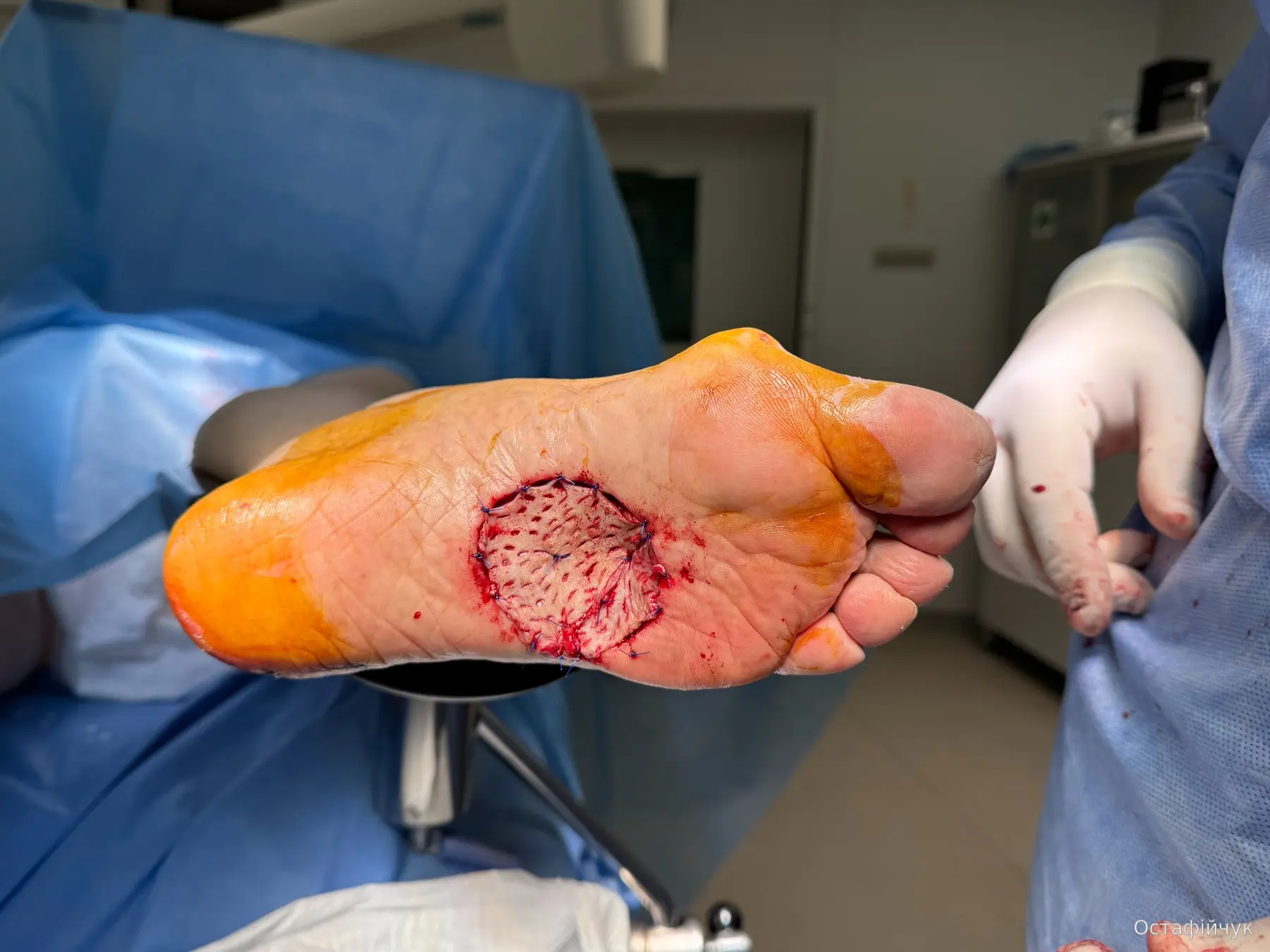
Acral melanoma of the foot
A real pathway: suspicious plantar lesion → wide excision → free skin graft → negative-pressure wound therapy → postoperative care.
View the caseFor clinicians
AJCC 8, SLNB, surgical margins, BRAF and other molecular testing, adjuvant and neoadjuvant therapy, positive sentinel node management, melanoma subtypes and key trials.
Evidence backbone: ESMO Clinical Practice Guideline 2025; EADO/EDF/EORTC European consensus guideline 2025; ESMO Living Guideline updates 2025; pivotal trials. Page reviewed 04 Oct 2026.