Follow-up after BCC and cSCC
Follow-up is not only about the scar. The risk of additional skin cancers is increased, while higher-risk cSCC also requires attention to regional nodes.
What follow-up is actually looking for
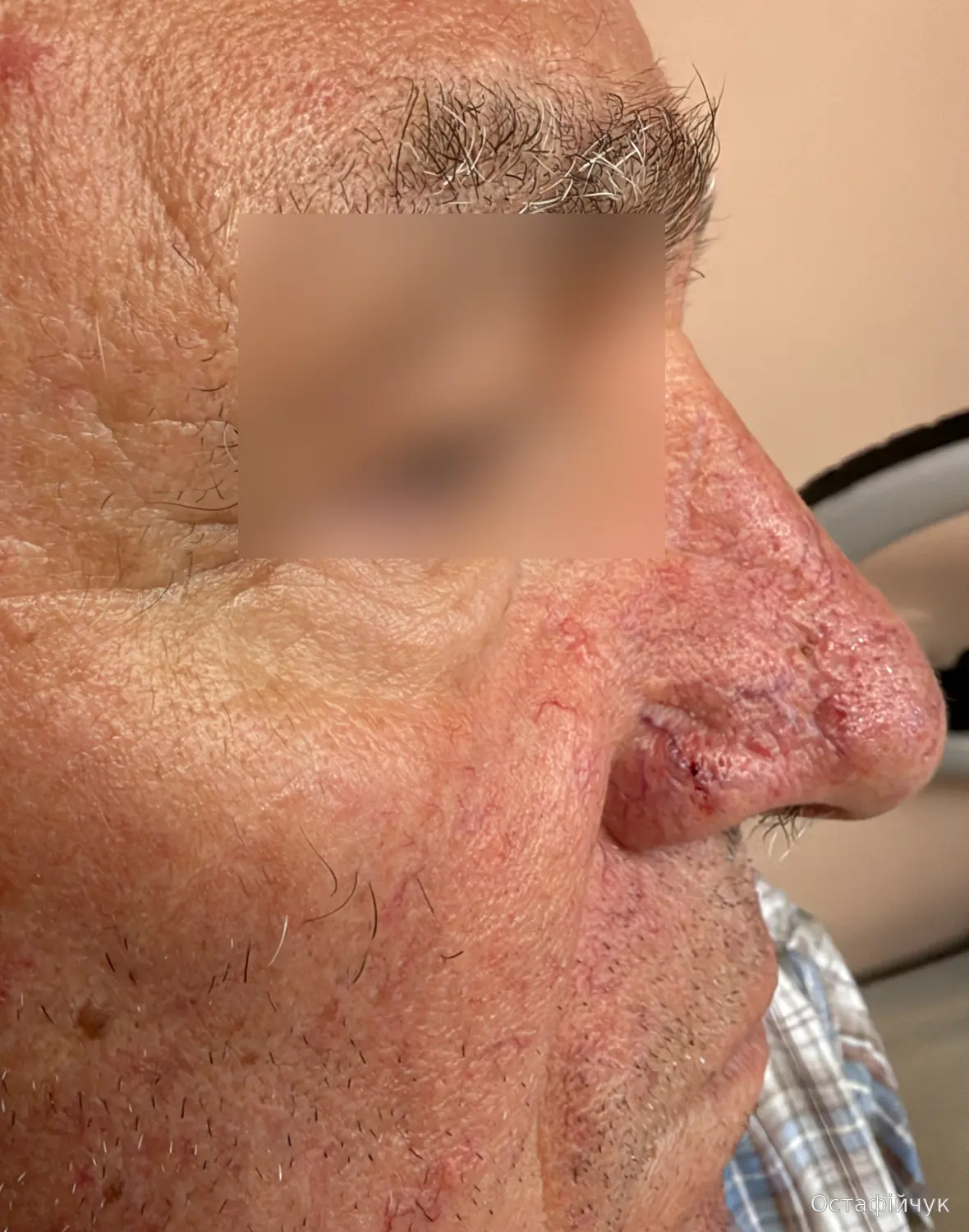
BCC
Focus on local recurrence and additional skin cancers.
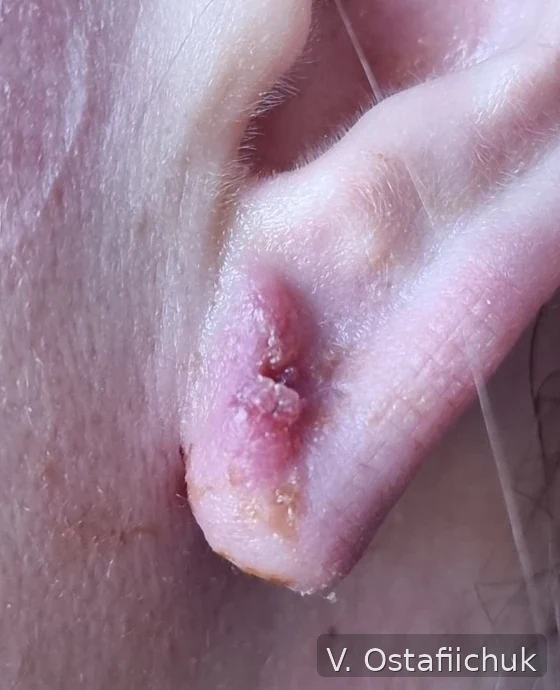
Higher-risk cSCC
Scar + regional nodes + imaging in selected patients.
Self-check
Show new non-healing, bleeding or rapidly growing lesions early.
What to check
- the scar and surrounding skin;
- new nodules, ulcers, bleeding or crusted lesions;
- a new lump in a relevant nodal basin;
- new nerve-type pain, numbness or tingling near the previous tumour.
When imaging matters
Routine CT is not needed after typical low-risk BCC. In cSCC with substantial metastatic risk, imaging may be part of staging and early surveillance.
cSCC 2026 - imaging is risk-adapted
The international consensus supports considering staging/surveillance imaging when estimated metastatic risk is approximately 15% or higher. CT was the preferred modality for nodal staging and surveillance in the consensus; selected high-risk patients reached consensus for imaging surveillance for at least 2 years. Ultrasound remains useful for accessible superficial nodal basins and targeted assessment.
Preventing another skin cancer
Avoid sunburn, do not use tanning beds, combine shade and protective clothing with broad-spectrum sunscreen, and continue regular self-examination for new or changing lesions.