Patient guide
After surgery: wound, flap or graft
The appearance during the first days is almost never the final result. Swelling, bruising and scar contour change during healing.
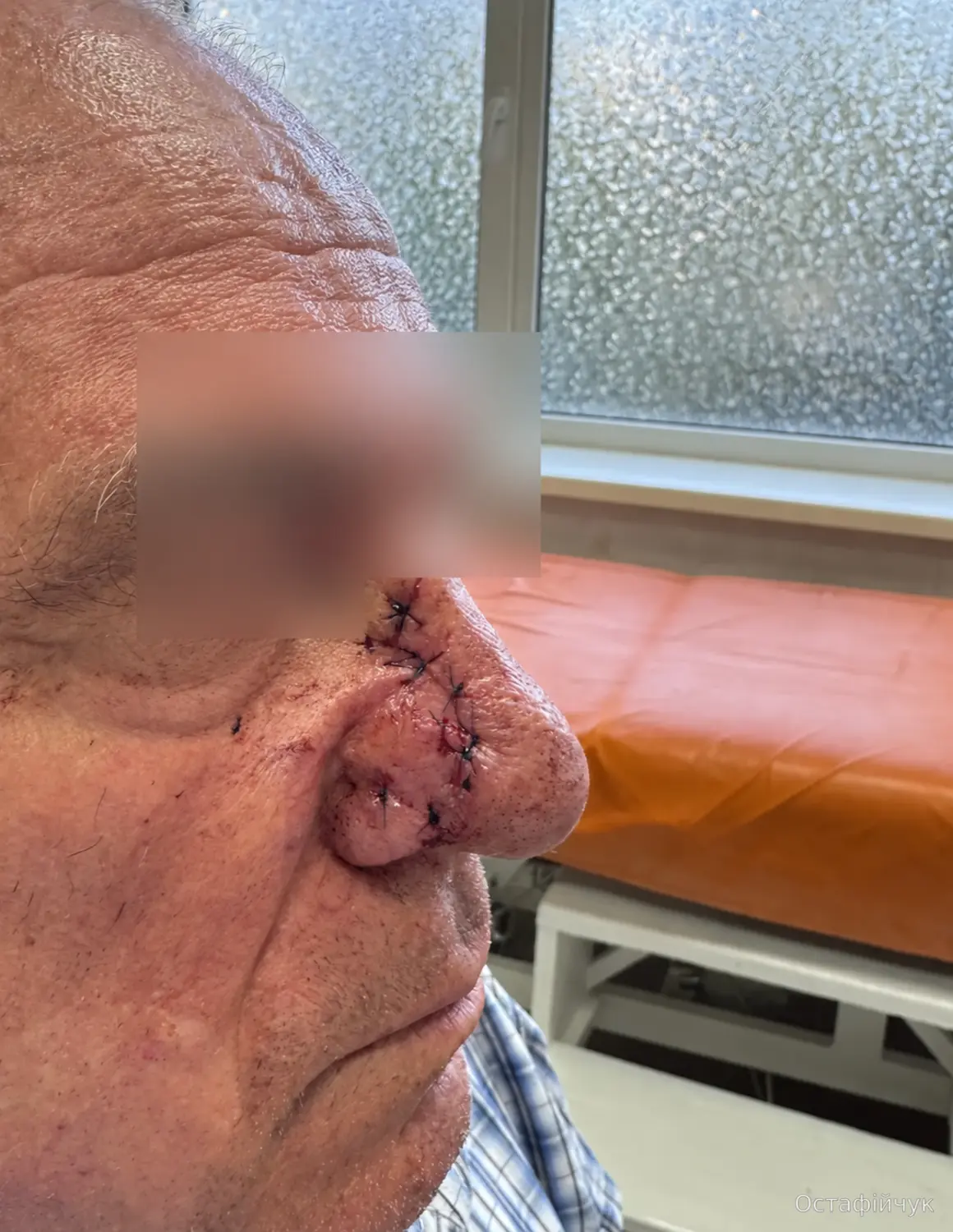
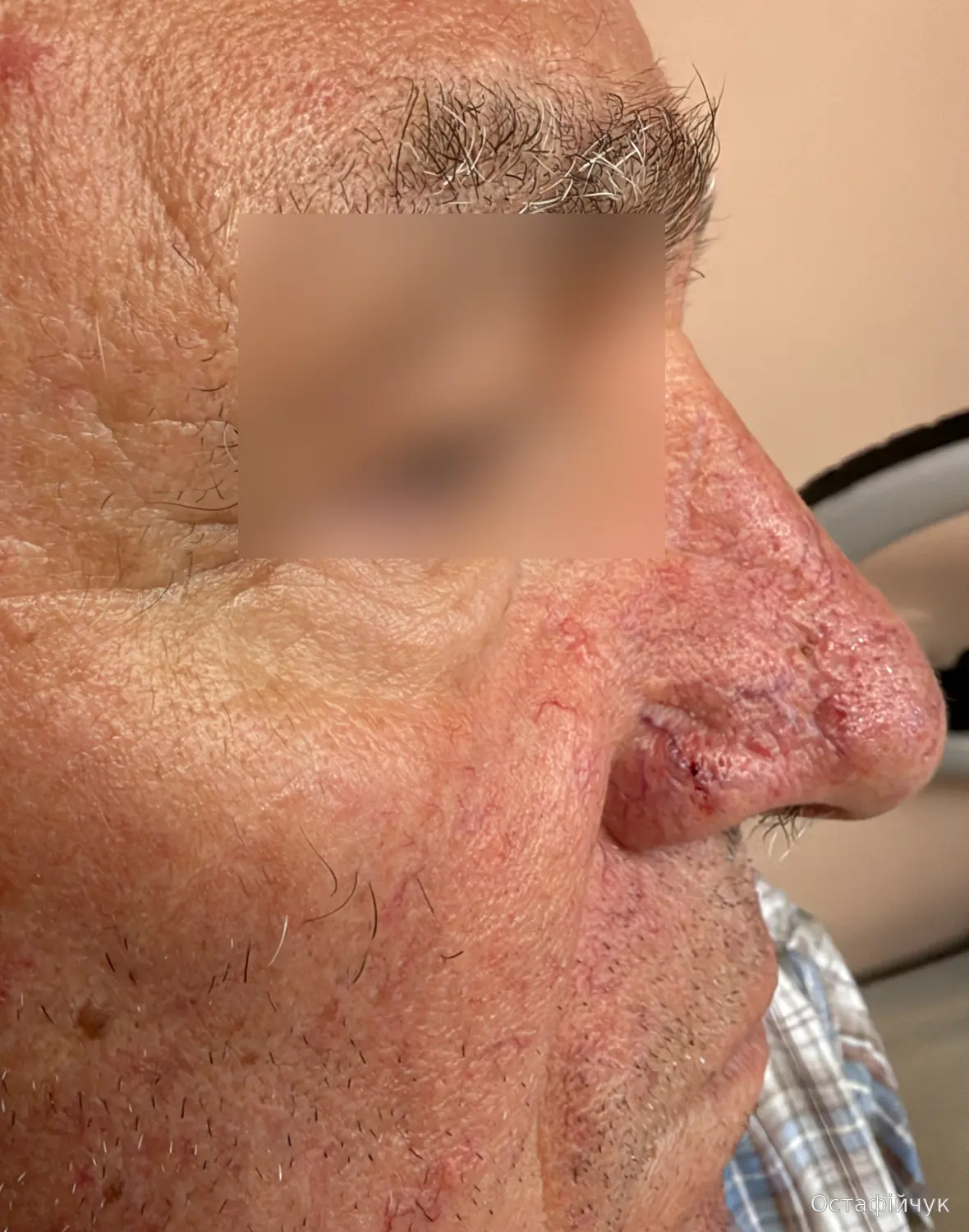
First 24-48 hours
- keep dressings in place as instructed;
- do not rub or soak the wound contrary to your specific instructions;
- mild swelling, bruising and pain may be expected;
- take prescribed medication according to the plan.
When to contact the team earlier
Do not wait for the scheduled review if bleeding does not stop with pressure, pain rapidly escalates, fever or pus appears, redness spreads quickly, a flap becomes markedly pale/dark, or the wound opens.
Local flap
A flap transfers neighbouring skin with its blood supply. Early colour and swelling may differ from surrounding skin.
Skin graft
A graft initially survives by diffusion from its recipient bed before new microcirculation develops, so stable contact and dressing care matter.
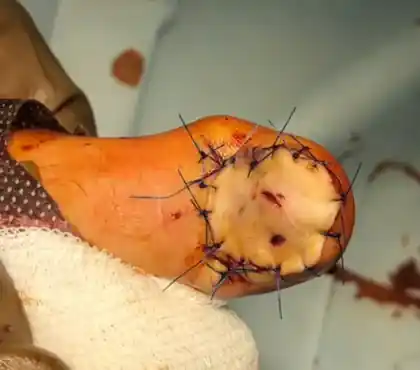
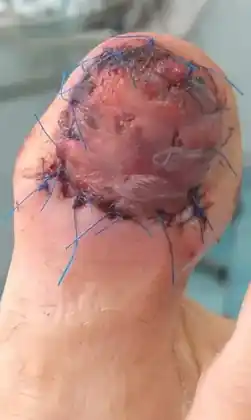
Author clinical archive from the presentation. Published with confirmed permission.
Scar and sun
Once the wound is fully healed, protect the maturing scar from intense ultraviolet exposure. Scar colour, firmness and contour continue to evolve for months, especially after flap or graft reconstruction.