Skin cancer - clinician hub
Risk, margins, pathology, nodes, radiotherapy, immunotherapy, Mohs and rare histology in one clinical navigation layer.
Clinical appearance, pathology and risk in one view
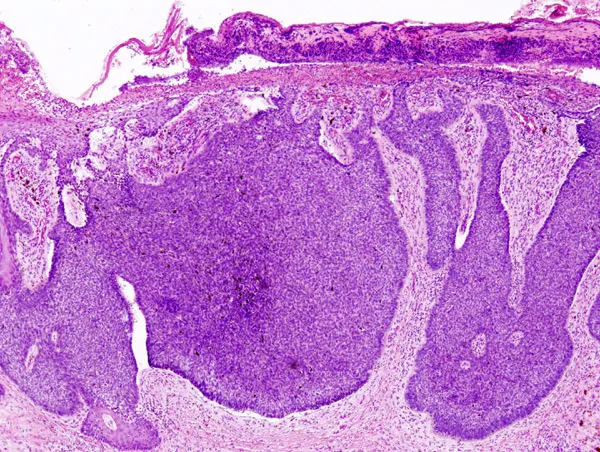
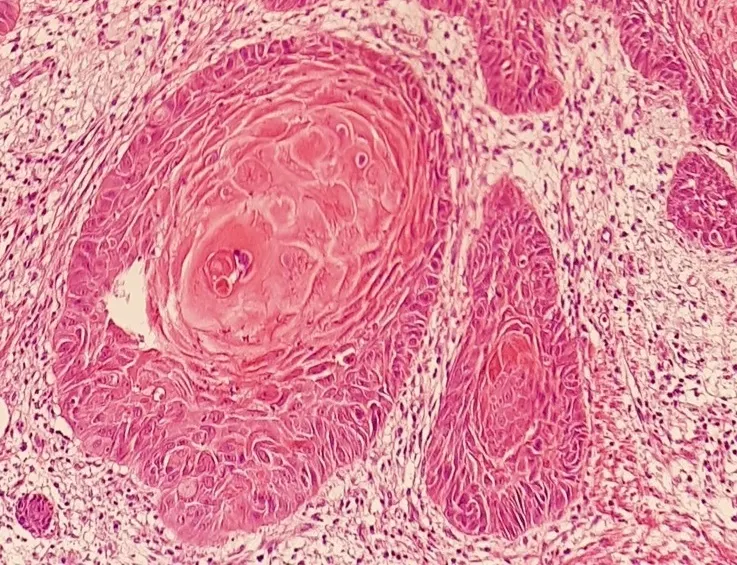
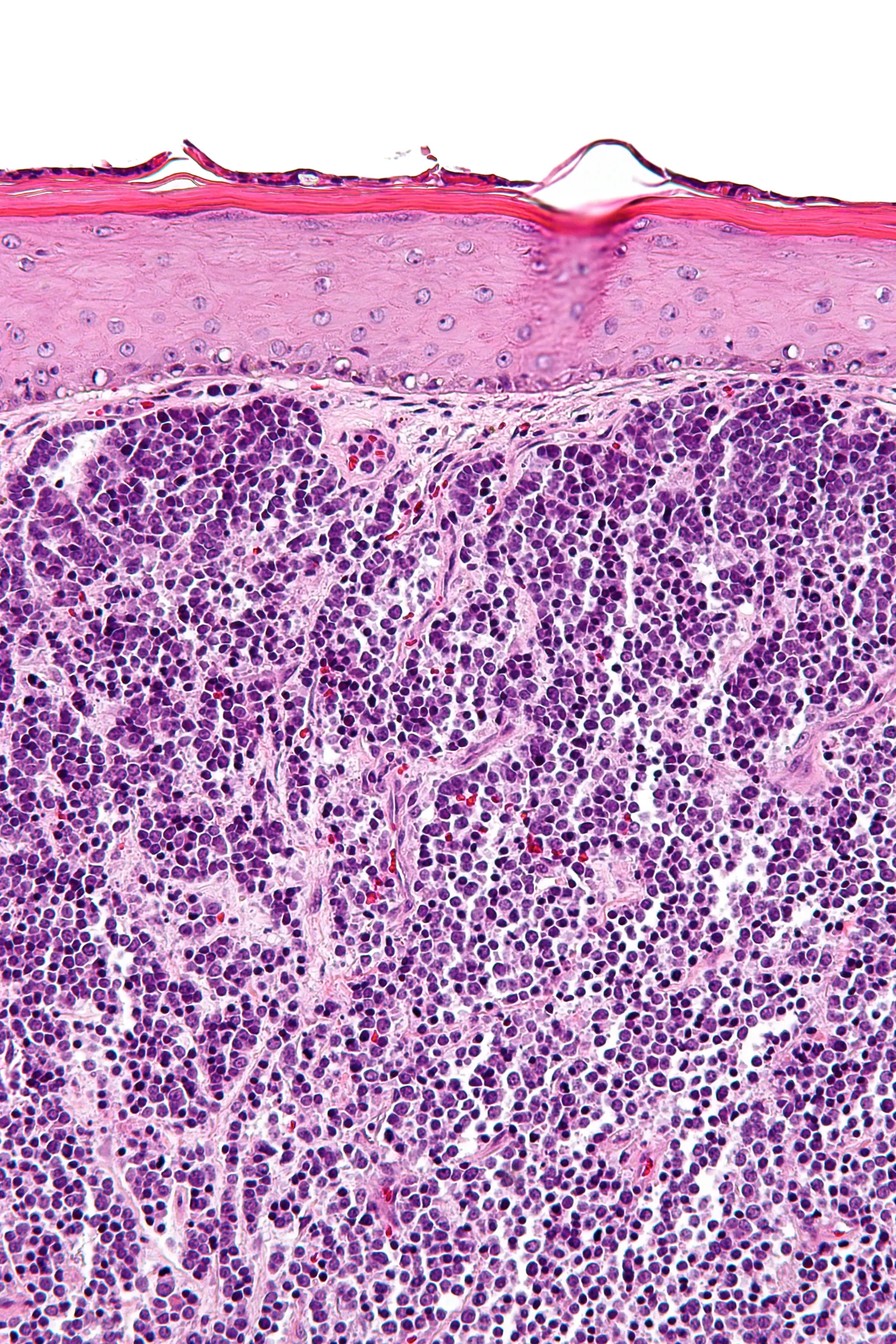
Author clinical image bank: one histology, different surgical problems
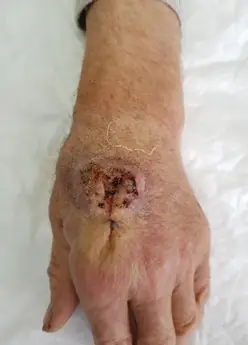
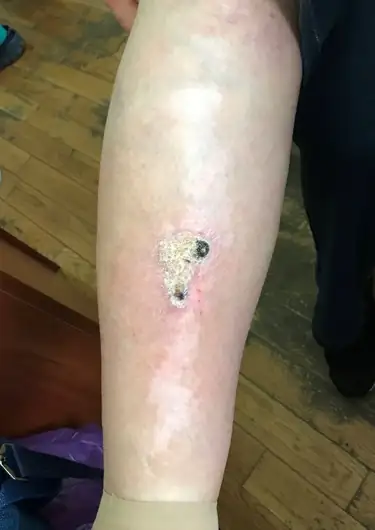
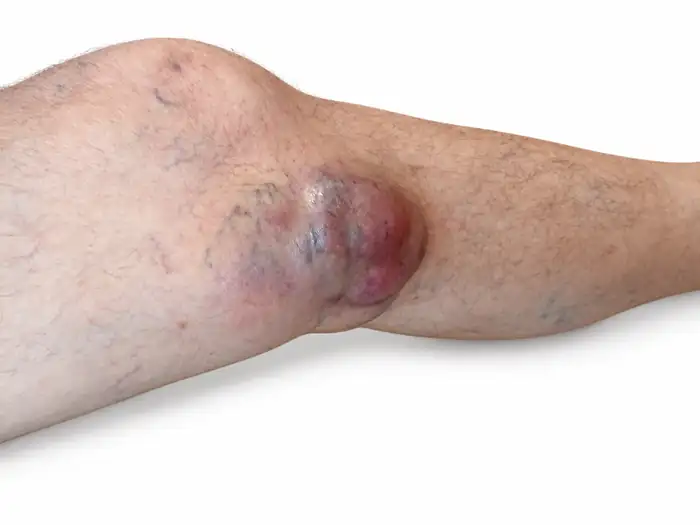
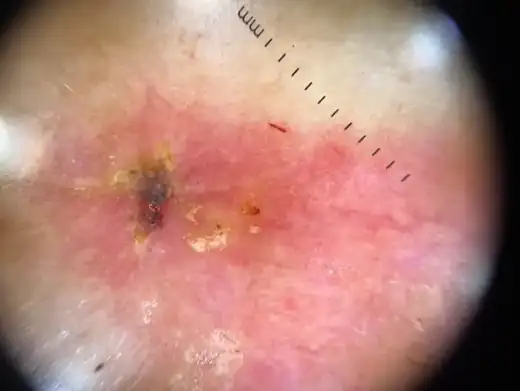
BCC/cSCC vs Merkel vs adnexal or another rare tumour.
Site, size, depth, PNI/LVI, immune status and recurrence.
Not for everyone - risk-adapted to clinical and pathologic features.
Standard excision, Mohs/margin control, RT and reconstruction.
cSCC 2026
Easy-to-treat
The majority of local primary cSCC.
Higher-risk
Risk is driven by clinical, pathological and host factors.
Difficult-to-treat
New EADO framework for clinically challenging disease where standard local treatment is insufficient.
Imaging and nodes
2026 consensus guidance supports considering staging/surveillance imaging when estimated metastatic risk reaches approximately 15% or more, with modality and frequency individualized to anatomy and risk.
Adjuvant cemiplimab
This applies to selected high-risk patients after surgery and postoperative radiotherapy, not to all cSCC.
Pathology features that change management
Depth, perineural invasion, differentiation, lymphovascular invasion, margins, nerve caliber/site and nodal extranodal extension. Rare adnexal tumours often require immunohistochemical or molecular clarification.
2026: three signals that change MDT discussion
These results do not mean imaging for everyone, cemiplimab for every cSCC, or routine adjuvant immunotherapy for every Merkel patient. They shift the threshold for MDT discussion in selected high-risk settings.
Emerging watchlist 2026 - important, but not automatic standard of care
A 2026 real-world series found residual tumour in some patients despite clinical/dermoscopic improvement on sonidegib. This matters when planning a subsequent local treatment step.
2026 source →2026 data suggest stronger prognostic performance for ctDNA than MCPyV antibody testing in the studied cohort. It remains an emerging tool rather than a universal replacement for clinical and imaging follow-up.
JAMA Dermatology 2026 →Evidence for HER2-directed treatment is expanding in advanced EMPD. HER2 testing is most relevant in advanced/systemic disease, not as a reason to change local treatment for every EMPD.
2026 review →Rare-skin-cancer decision layer
The diagnosis should not stop at morphology. Age, multiple sebaceous neoplasms, personal/family history and MMR profile may change the need for genetic assessment. A 2026 meta-analysis supports MMR IHC as a sensitive screening tool but with limited specificity for germline Muir-Torre/Lynch syndrome - abnormal tumour MMR does not equal a germline diagnosis.
Clinical pathway →The central question is whether this is primary cutaneous adenocarcinoma or epidermal spread from an internal malignancy. In advanced disease, HER2 may become therapeutically actionable.
Clinical pathway →Multifocal and subclinical spread can complicate local planning; surgery, radiotherapy and systemic treatment should be considered together.
Clinical pathway →Superficial sampling may underestimate microcystic adnexal carcinoma. Porocarcinoma requires attention to high-risk and nodal features; MAC is dominated by deep and perineural local spread.
Adnexal carcinomas →Sebaceous guideline 2024 · MMR IHC meta-analysis 2026 · EMPD guideline 2025 · Cutaneous angiosarcoma guideline 2025 · Sweat-gland carcinoma review 2026.
Ukrainian context 2026
Ukraine now has dedicated national clinical documents for BCC, cSCC and Merkel cell carcinoma. In practice, they should be interpreted alongside current EADO/ESMO evidence and the real availability of medicines, radiotherapy and surgical techniques.
BCC - Ministry of Health of Ukraine · cSCC - Ministry of Health of Ukraine · Merkel - Ministry of Health of Ukraine.