“Sarcoma” is not one diagnosis
The same word can describe tumours with very different biology, molecular features, recurrence patterns and sensitivity to systemic treatment. Exact subtype has practical consequences.
Liposarcoma
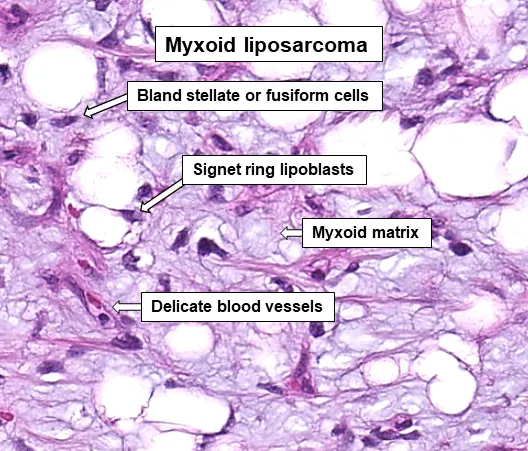
A biologically diverse group. MDM2 amplification is central for WDLPS/DDLPS. Myxoid liposarcoma is notably radiosensitive and has a distinctive metastatic pattern.
Leiomyosarcoma
Can arise in soft tissue, uterus or major vessels. Systemic treatment of advanced disease has evolved after LMS04, where doxorubicin + trabectedin improved PFS and OS.
Synovial sarcoma
Often affects younger adults and frequently occurs near large joints, although it does not arise from synovium. Defined by SS18::SSX fusion. In the US, Tecelra is available after prior chemotherapy for selected HLA-A*02-compatible, MAGE-A4-positive unresectable/metastatic disease; the indication expanded to age 12+ in June 2026.
UPS
Undifferentiated pleomorphic sarcoma is a diagnosis of exclusion after adequate morphology, IHC and, when needed, molecular work-up. It is often a high-grade tumour requiring careful local treatment.
Myxofibrosarcoma
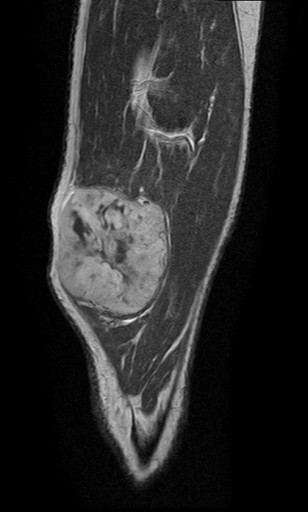
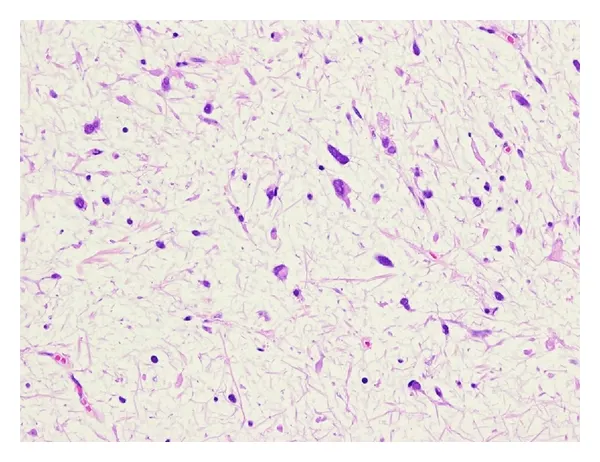
Known for infiltrative local growth and the MRI “tail sign”. Local planning and margin interpretation are particularly important because of local recurrence risk.
Epithelioid sarcoma
A rare subtype with a greater tendency toward regional nodal spread than typical STS. SMARCB1/INI1 loss is common. Tazemetostat historically had an FDA indication for advanced disease, but in May 2026 the FDA announced voluntary market withdrawal because of increased hematologic second primary malignancies; it should not be presented as a current US standard option.
Alveolar soft-part sarcoma (ASPS)
A rare fusion-driven subtype, commonly involving ASPSCR1::TFE3. Unlike most unselected STS, it has a dedicated role for atezolizumab in unresectable/metastatic disease; the 2026 long-term update reported ORR 35.8%.
Groups that follow separate pathways
A slower-growing but locally infiltrative skin/subcutaneous sarcoma with its own surgical and molecular logic. Ukraine has had a dedicated national protocol since 2026.
Does not metastasise like a malignant sarcoma. Active surveillance is a modern first strategy for many patients rather than immediate surgery.
A gastrointestinal mesenchymal tumour with its own KIT/PDGFRA molecular algorithm and targeted therapy pathway.
Osteosarcoma, chondrosarcoma and Ewing sarcoma follow separate staging and treatment pathways and belong in the bone-tumour section.
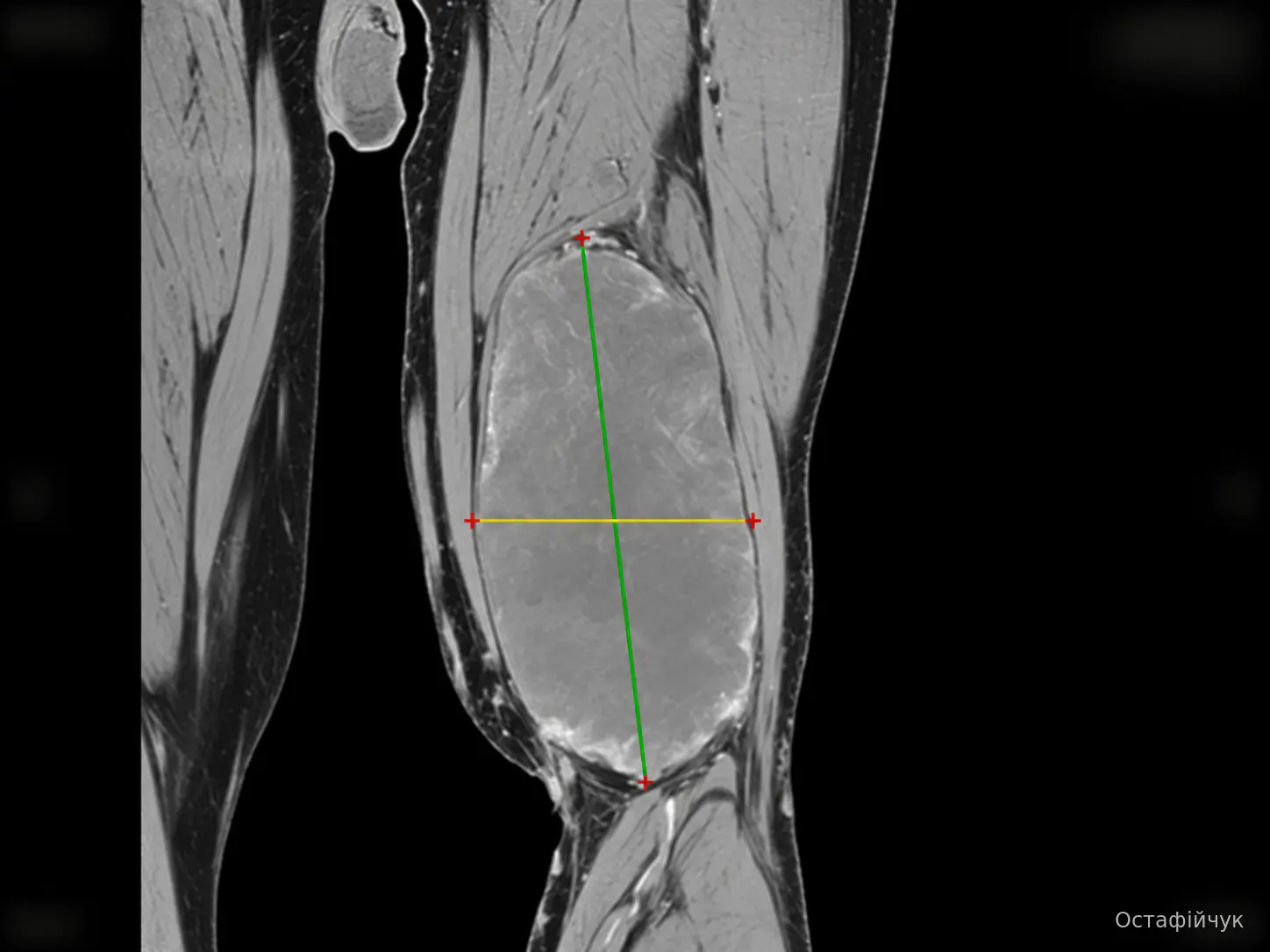
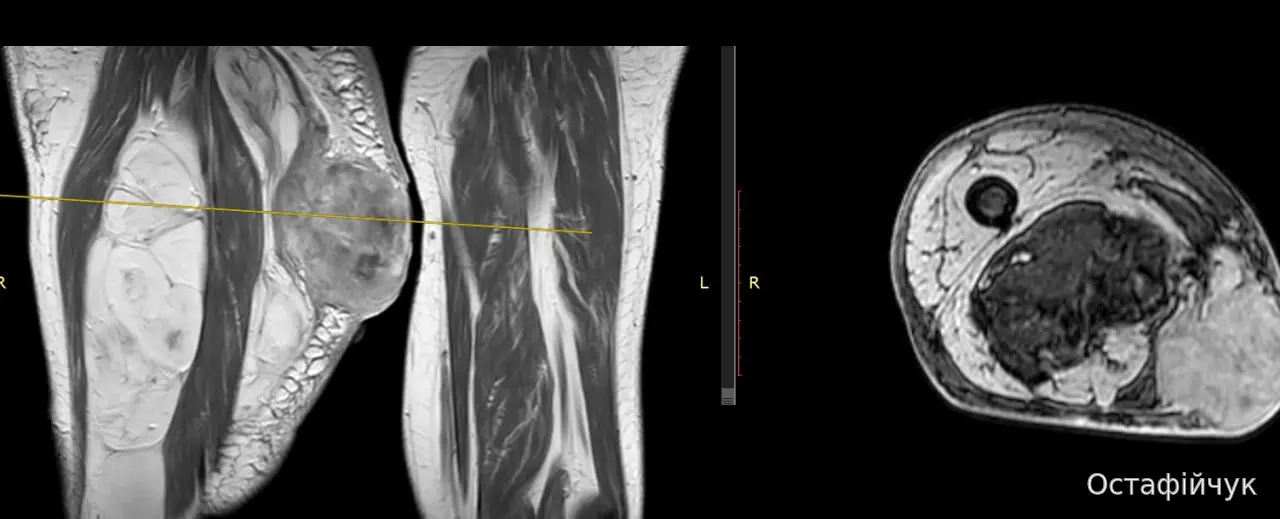
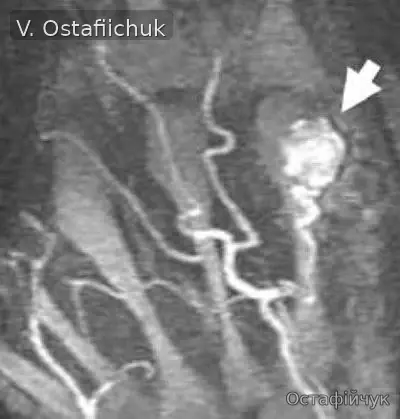
Different subtypes, different microscopic patterns
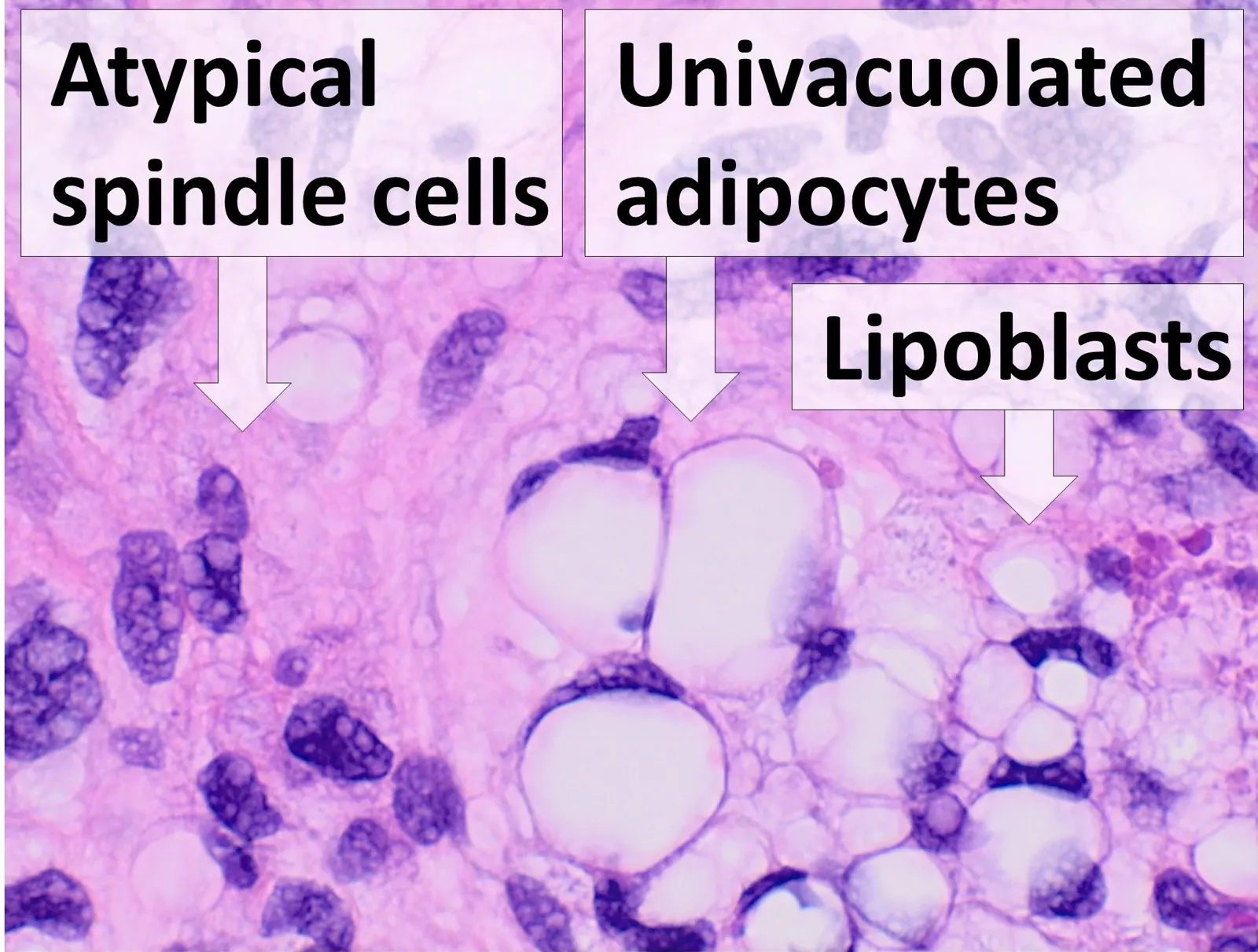
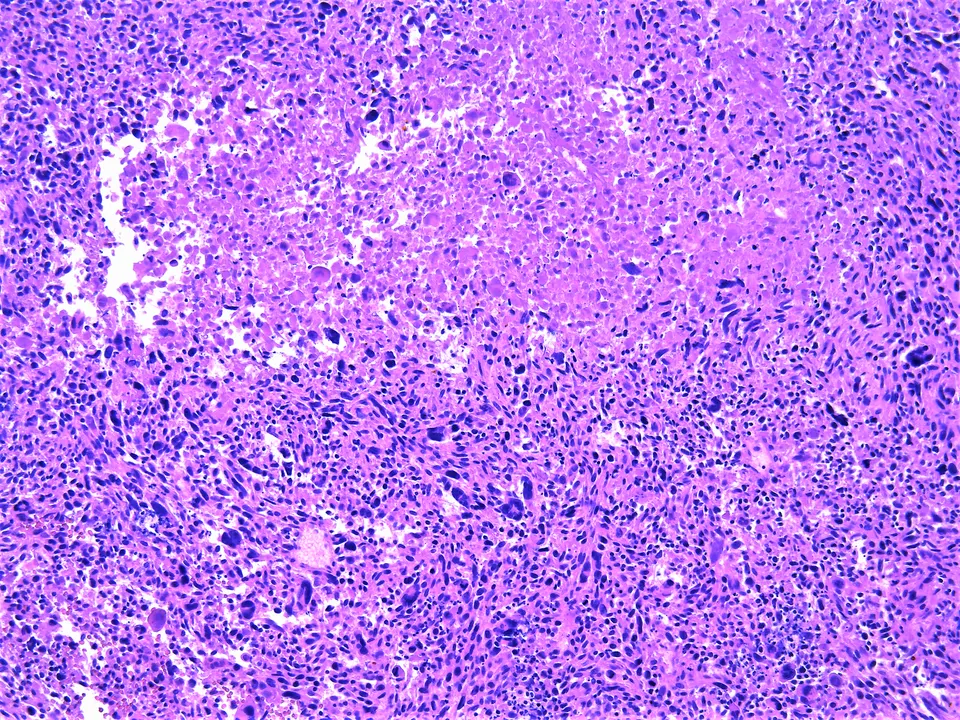
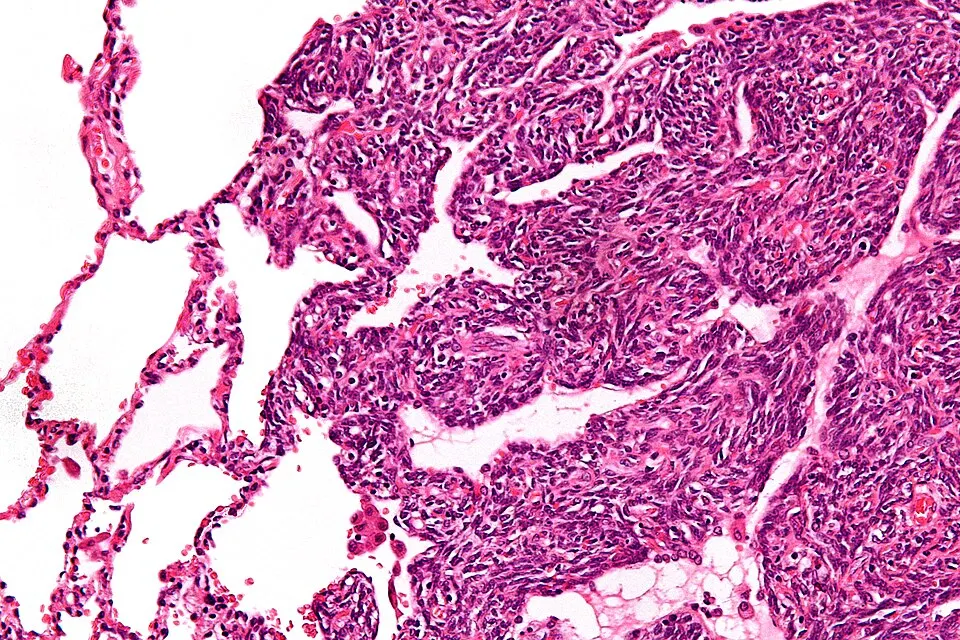
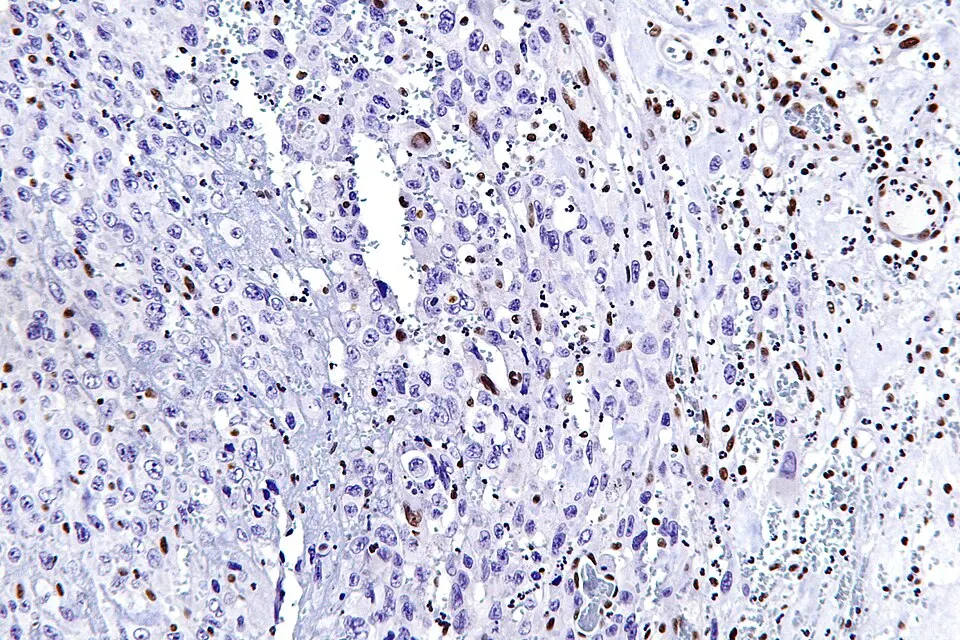
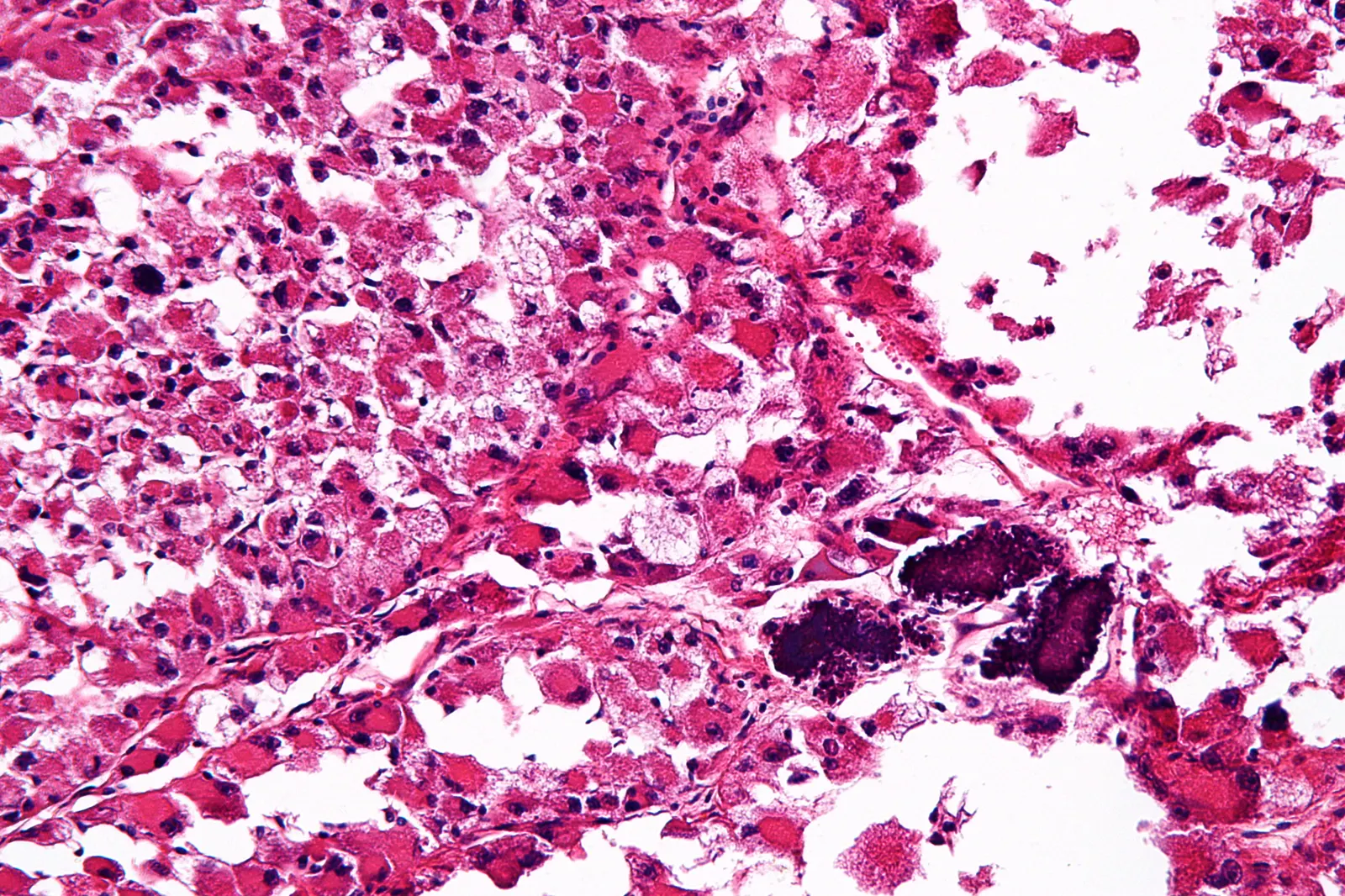
These micrographs are educational examples only. Final diagnosis requires integrated pathology and, when indicated, additional molecular testing.
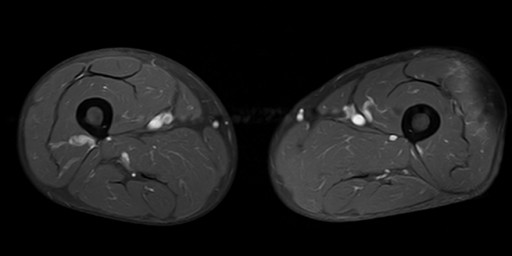
Myxofibrosarcoma: MRI + histology
In myxofibrosarcoma, MRI and morphology need to be interpreted together: infiltrative fascial “tails” may define the true local extent and affect resection planning.
Two more examples of subtype-specific biology
Why subtype changes treatment
Clinical images on this page are de-identified materials from the author’s clinical archive that were already approved for educational publication. No identifying DICOM overlays or patient identifiers are displayed.
The pathway matters
The word “sarcoma” covers many biologically distinct diseases. In a specialized sarcoma treatment unit, precise subtype determines which additional tests are useful, how surgery is planned and whether a specific systemic option is relevant.
GEIS 2018: 3-year overall survival 82% in reference centers vs 70.4% in local hospitals. NETSARC 2019: surgery in a reference center was associated with better overall survival (HR 0.681). Observational data. GEIS · NETSARC.