Why histology alone is sometimes not enough in sarcoma
Sarcoma is a family of many different diseases. In some entities, a defining molecular event confirms the diagnosis, and in selected situations the result can directly affect treatment.
How diagnosis progresses from tissue to a precise entity
The pathologist assesses architecture and narrows the differential diagnosis.
Shows which proteins are expressed or lost in tumour cells.
FISH or RT-PCR can test a specific genetic event when the suspected alteration is known.
NGS is useful when broader profiling is needed or previous steps remain inconclusive.
Four tools that complement morphology
Immunohistochemistry
Shows the protein phenotype of the tumour. Some markers act as molecular surrogates, but an IHC result is not always definitive on its own.
Amplifications and rearrangements
Useful for targeted detection of a specific genetic event, for example MDM2 amplification or a gene rearrangement.
Known fusion transcripts
Can confirm a specific fusion when the likely event is already suspected.
Panel testing
Can search many mutations, amplifications and gene fusions at once, particularly in diagnostically difficult or therapeutically relevant cases.
What this looks like in a modern oncology laboratory
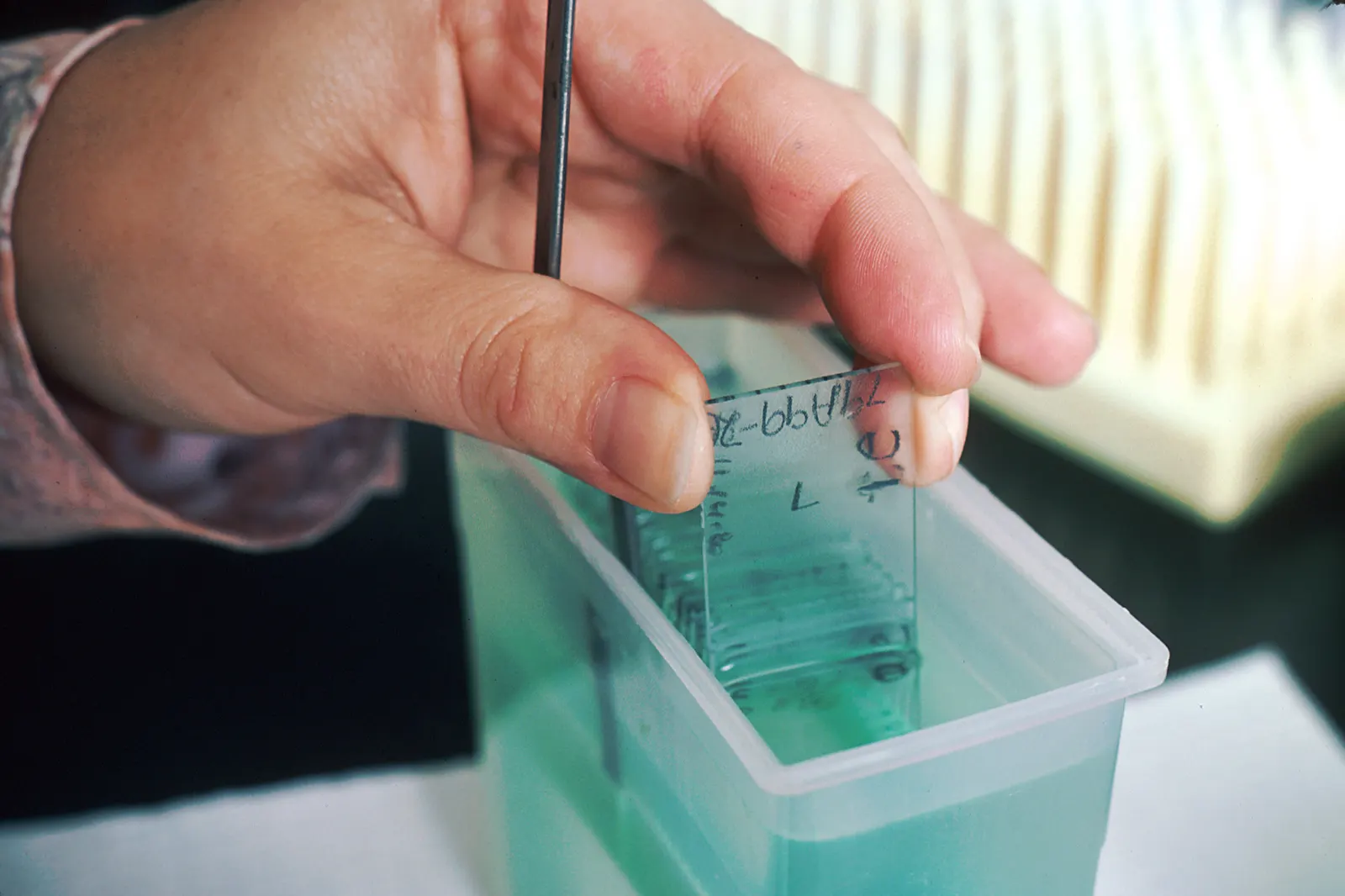
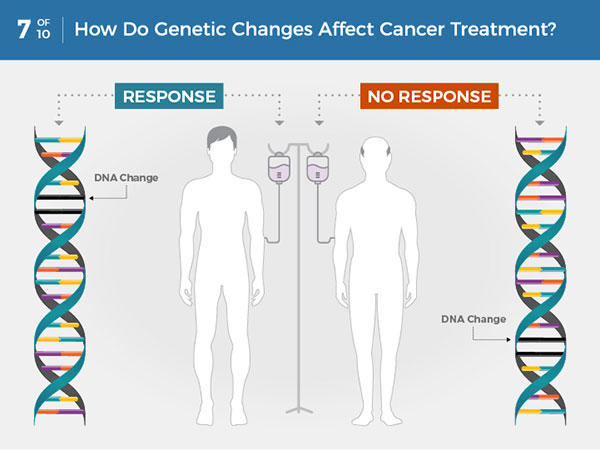
Sources: NCI Visuals Online - laboratory slides · NCI - genetic changes and treatment · NCI Human Tumor Atlas Network.
What immunohistochemistry can add
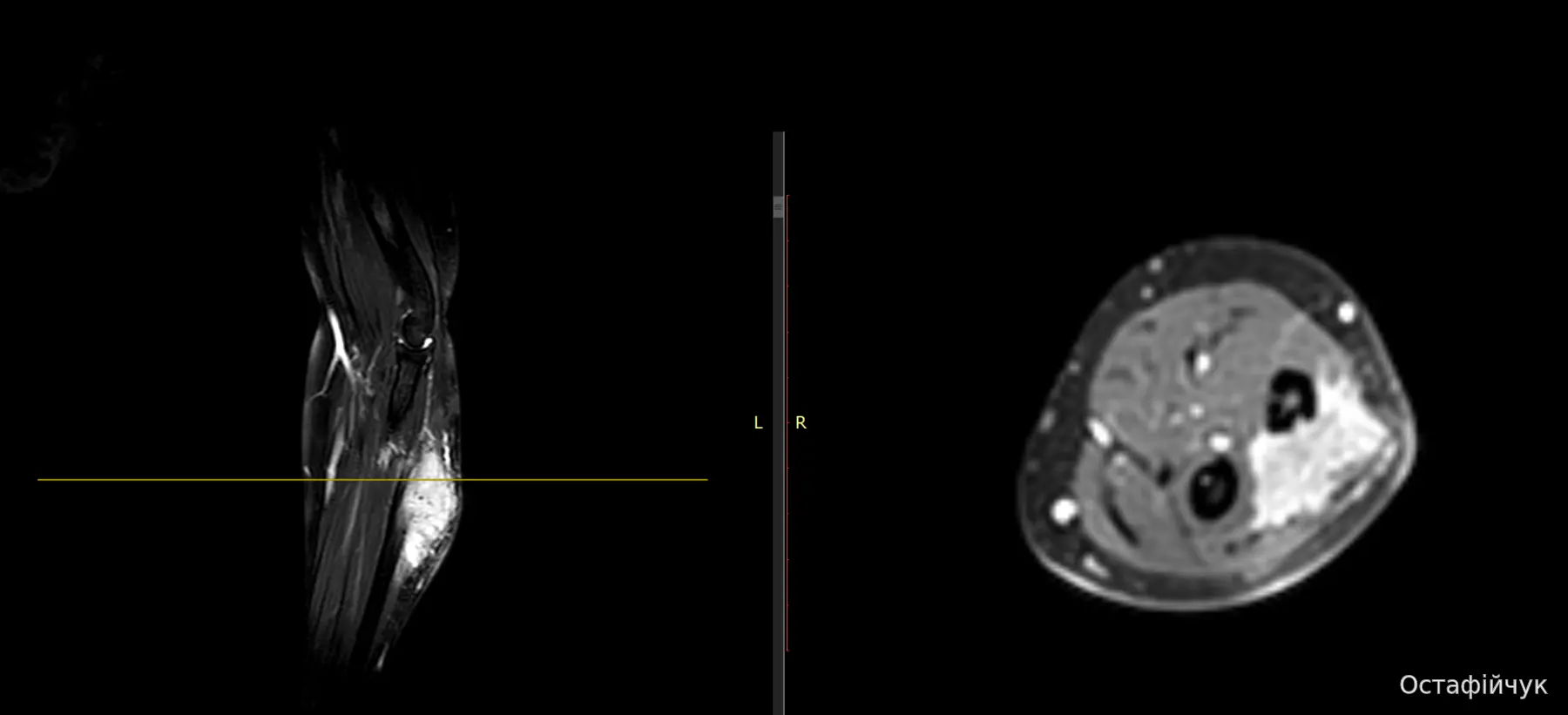
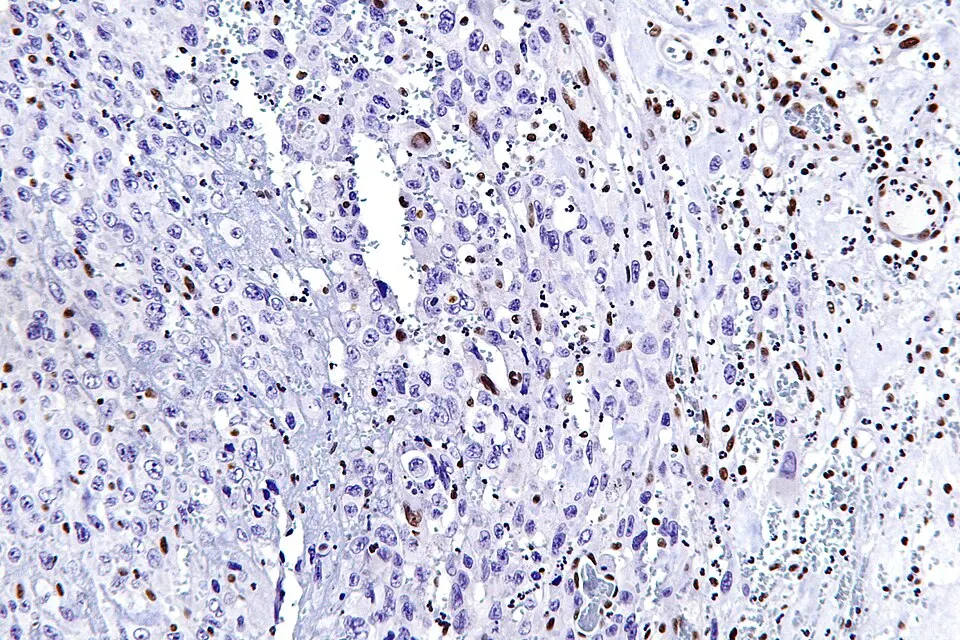
When morphology and IHC are insufficient, FISH, RT-PCR or NGS can confirm a defining genetic event.
Morphology and IHC should be read together
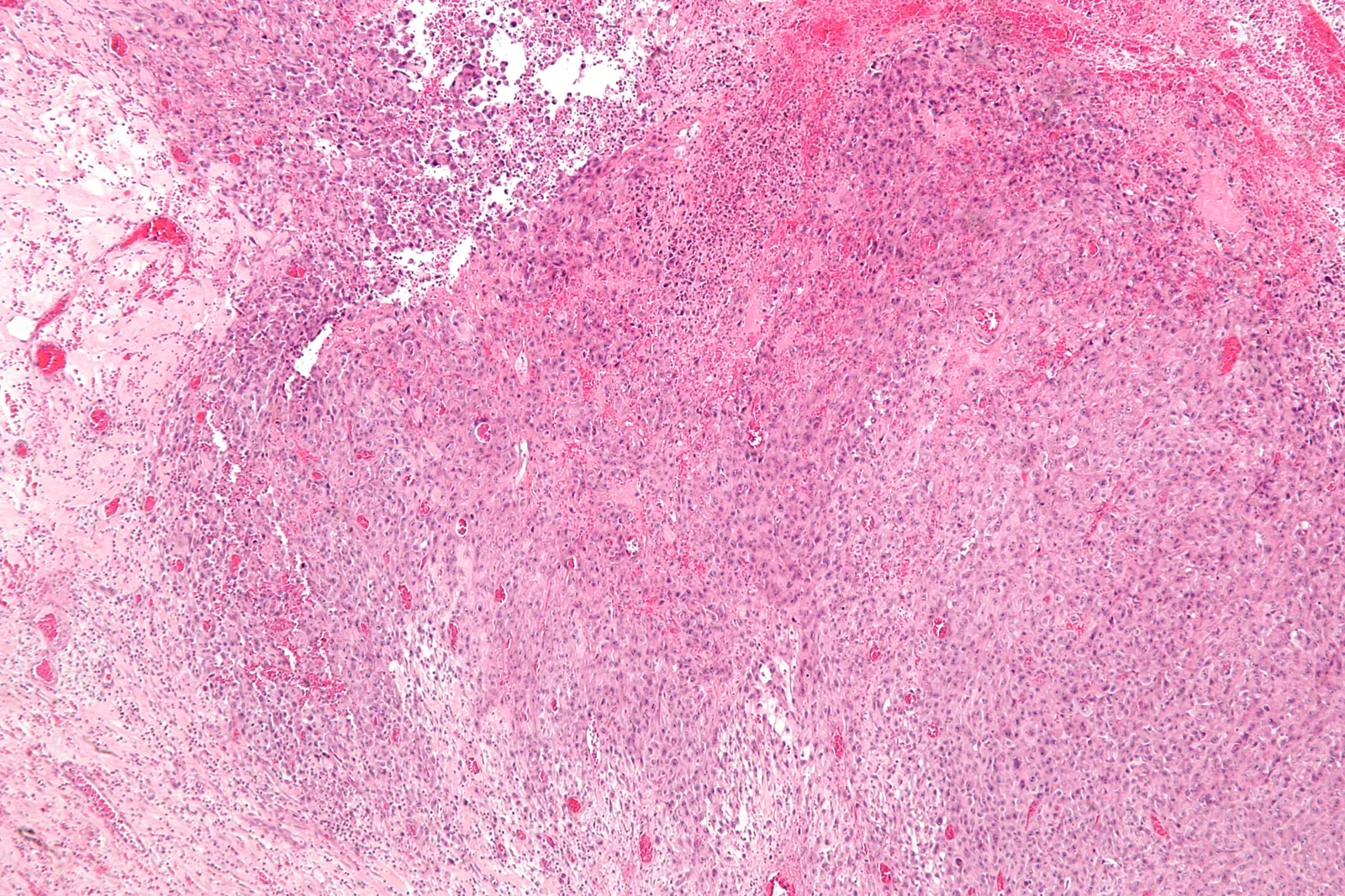
Examples where a molecular feature changes the diagnostic picture
MDM2WDLPS / DDLPSMDM2 amplification is central to confirming well-differentiated and dedifferentiated liposarcoma in the appropriate morphological context.
SS18::SSXSynovial sarcomaA characteristic fusion event that can be decisive in atypical morphology or location.
SMARCB1 / INI1Epithelioid sarcomaLoss of INI1 commonly supports the diagnosis, but must be interpreted with morphology and the rest of the panel.
NTRK fusionRare NTRK-rearranged tumoursThe finding can be both diagnostic and therapeutic because TRK inhibitors exist.
CIC / BCORRound-cell sarcomasSome undifferentiated round-cell sarcomas are now defined by their molecular event.
COL1A1::PDGFBDFSPA typical event in DFSP and part of the biological rationale for imatinib in selected advanced or unresectable disease.
When NGS is particularly useful
- the diagnosis remains uncertain after morphology and IHC;
- a fusion-driven sarcoma is suspected but targeted testing is inconclusive;
- the clinical or radiological picture does not match the proposed diagnosis;
- advanced disease raises a question of an actionable alteration;
- a molecularly selected clinical trial is being considered.
Not every molecular panel is locally available and not every actionable result leads to a routinely registered or reimbursed drug in Ukraine. Testing should therefore be prioritised when it confirms the diagnosis or can realistically alter management. Referral of material or an international clinical trial may be appropriate in selected rare fusion-driven cases.
Clinical images on this page are de-identified materials from the author’s clinical archive that were already approved for educational publication. No identifying DICOM overlays or patient identifiers are displayed.
Why preserving tissue matters
Excessive immunohistochemistry on a very small biopsy can exhaust material before molecular testing is needed. In diagnostically difficult cases, the pathology team and clinicians should prioritise studies so that enough tissue remains for confirmatory testing.
The pathway matters
Molecular testing should not be separated from morphology. In a specialized sarcoma treatment unit, FISH, RT-PCR or NGS is selected to answer a specific diagnostic or therapeutic question.
GEIS 2018: 3-year overall survival 82% in reference centers vs 70.4% in local hospitals. NETSARC 2019: surgery in a reference center was associated with better overall survival (HR 0.681). Observational data. GEIS · NETSARC.