Lung metastases from sarcoma are not one clinical situation
A single small lung nodule after a long disease-free interval is biologically different from rapidly progressive bilateral disease. The word “metastatic” does not by itself determine the next treatment.
Are these definitely metastases, and is disease present outside the lungs?
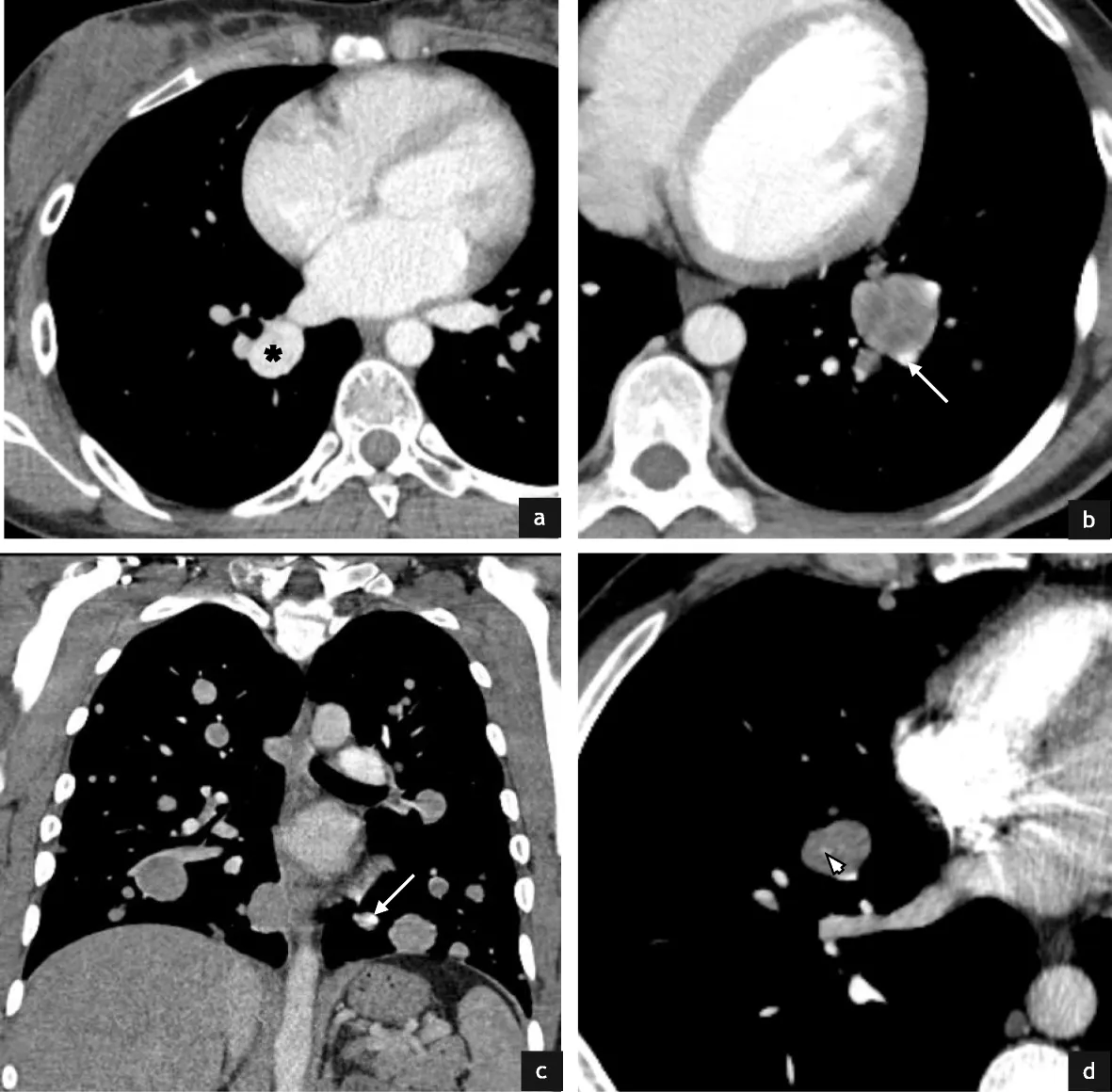
Before choosing local treatment, the team should assess CT evolution, number and size of nodules, unilateral or bilateral distribution, extrapulmonary progression and the biology of the sarcoma subtype. Biopsy may be useful when the nature of a nodule is uncertain and the answer would change treatment.
When local treatment may be reasonable
Low metastatic burden
A small number of lesions with a realistic possibility of treating all visible disease locally.
Longer disease-free interval
An interval longer than one year after primary treatment is one factor associated with better outcomes after metastasectomy.
Controlled primary disease
Local recurrence and extrapulmonary disease must be considered before surgery, SBRT or ablation is selected.
Local approaches that may be discussed
Surgical removal of all visible pulmonary disease in carefully selected patients.
High-precision local radiotherapy to selected nodules without surgery.
Image-guided local destruction of selected lesions by interventional radiology.
Surgical removal remains an important option in carefully selected patients when all lung disease can be completely removed with acceptable functional cost.
Stereotactic body radiotherapy can provide ablative local treatment without surgery. Direct randomised comparisons with metastasectomy are limited.
Percutaneous ablation can be considered in selected situations, particularly when surgery is undesirable or repeated local procedures need to minimise morbidity.
Central for more widespread, rapidly progressive or biologically systemic disease. Local and systemic strategies can sometimes be combined sequentially.
Why surgery is not automatically “better”
Most pulmonary metastasectomy data in sarcoma are retrospective and strongly affected by patient selection. A 2025 systematic review suggests both surgery and SBRT can achieve high local control, but direct comparative evidence remains limited. The choice should therefore be individualised rather than defaulting to one technique.
Ministry of Health Standard No.1434 identifies surgery as the preferred approach when lung or other metastases can be completely removed. Contemporary practice adds SBRT and other local techniques when available and clinically appropriate.
What should be reviewed at MDT
- histological subtype and grade;
- control of the primary site and any local recurrence;
- number, size, location and growth rate of lung nodules;
- disease-free interval;
- extrapulmonary disease;
- prior systemic therapy;
- resectability, SBRT/ablation feasibility and expected functional impact.
The pathway matters
Surgery, SBRT, ablation and systemic therapy are not interchangeable. In a specialized sarcoma treatment unit, the choice follows disease tempo, lesion burden, extrapulmonary disease and subtype biology.
GEIS 2018: 3-year overall survival 82% in reference centers vs 70.4% in local hospitals. NETSARC 2019: surgery in a reference center was associated with better overall survival (HR 0.681). Observational data. GEIS · NETSARC.