Soft-tissue sarcoma - clinician hub
Staging, biopsy planning, pathology, molecular confirmation, surgery, radiotherapy and histology-adapted systemic treatment, with Ukrainian and current international guidance clearly separated.
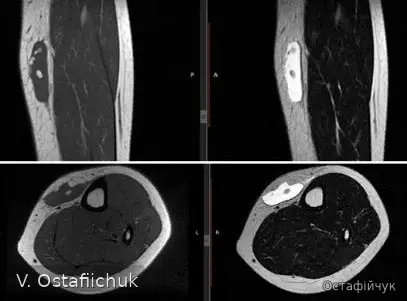
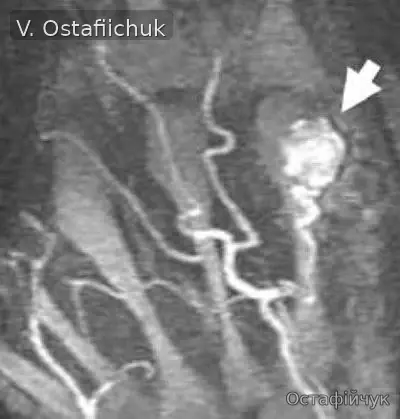
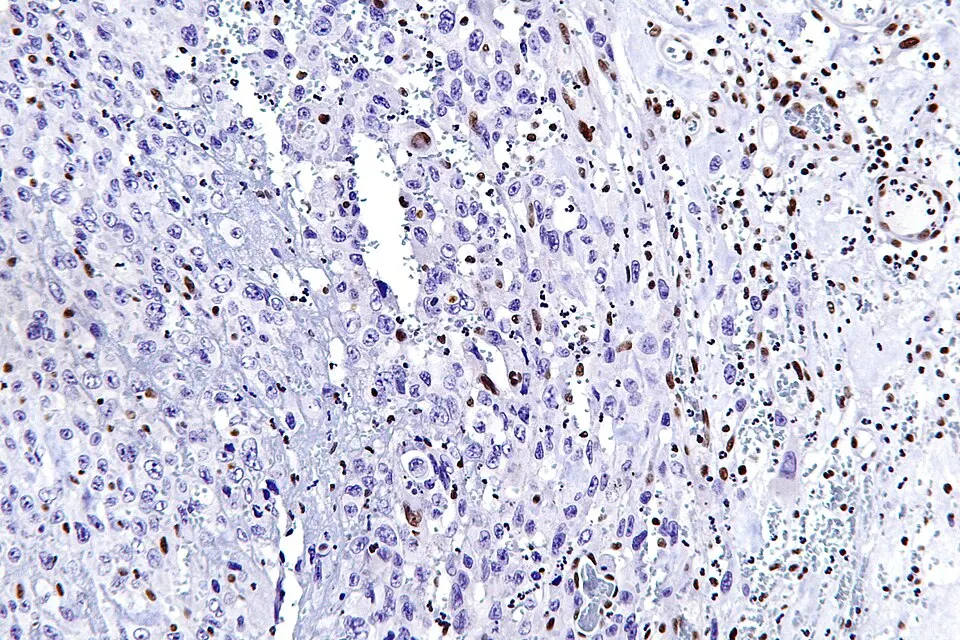
Initial work-up
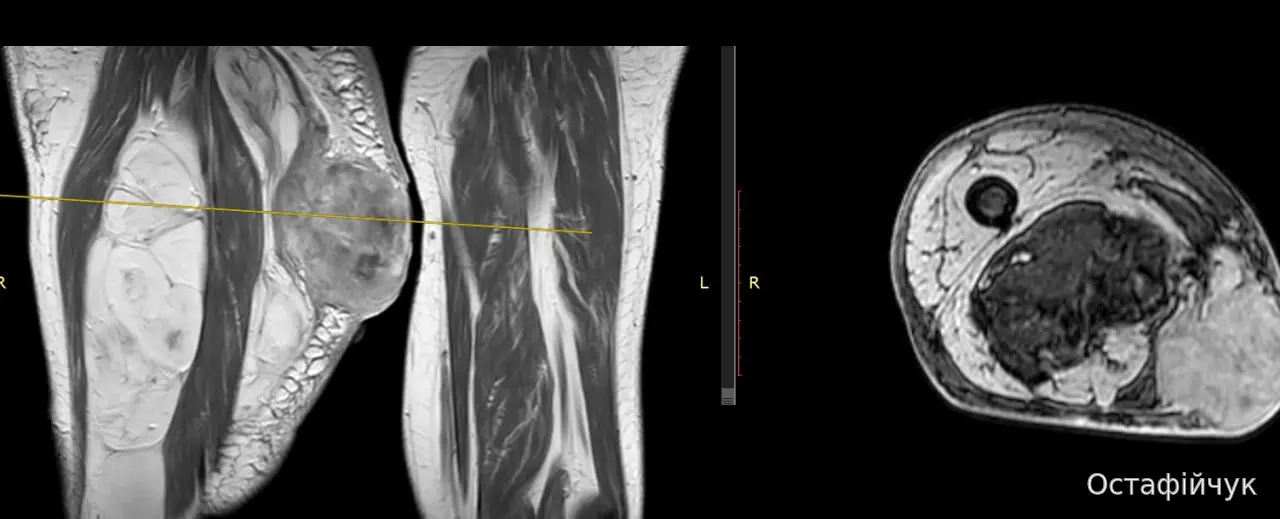
Local MRI for most extremity/trunk lesions; CT as site-specific imaging and chest CT for staging.
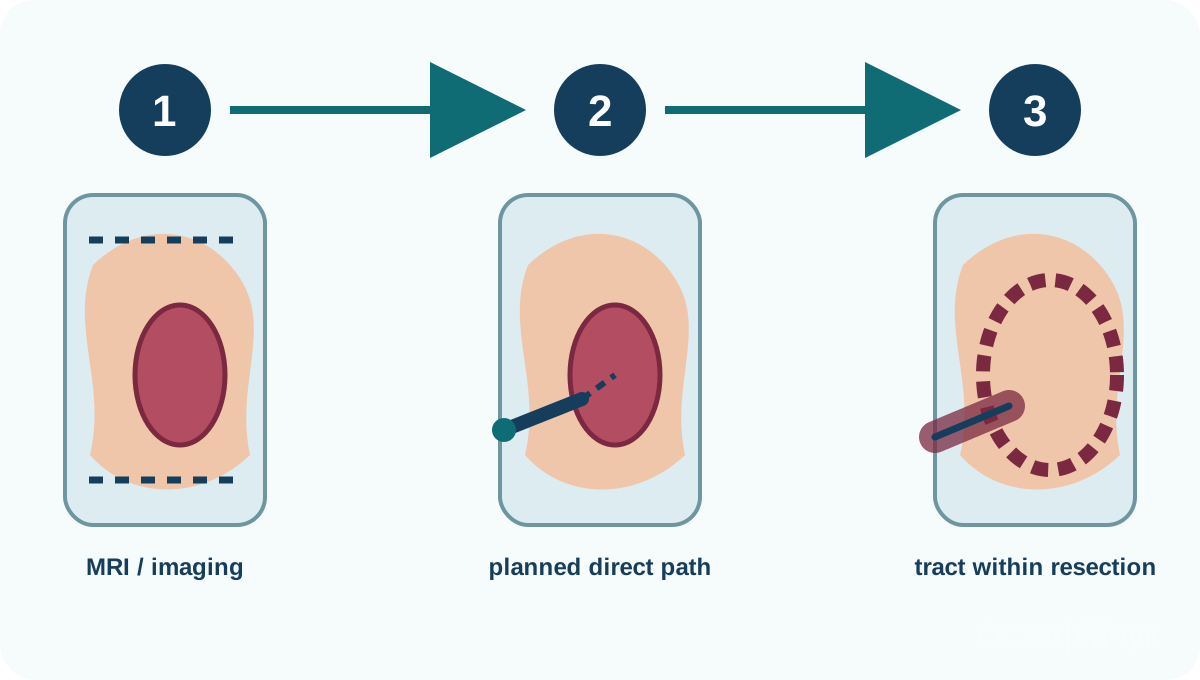
The biopsy trajectory should be coordinated with the definitive surgical approach and removed en bloc with the tumour.
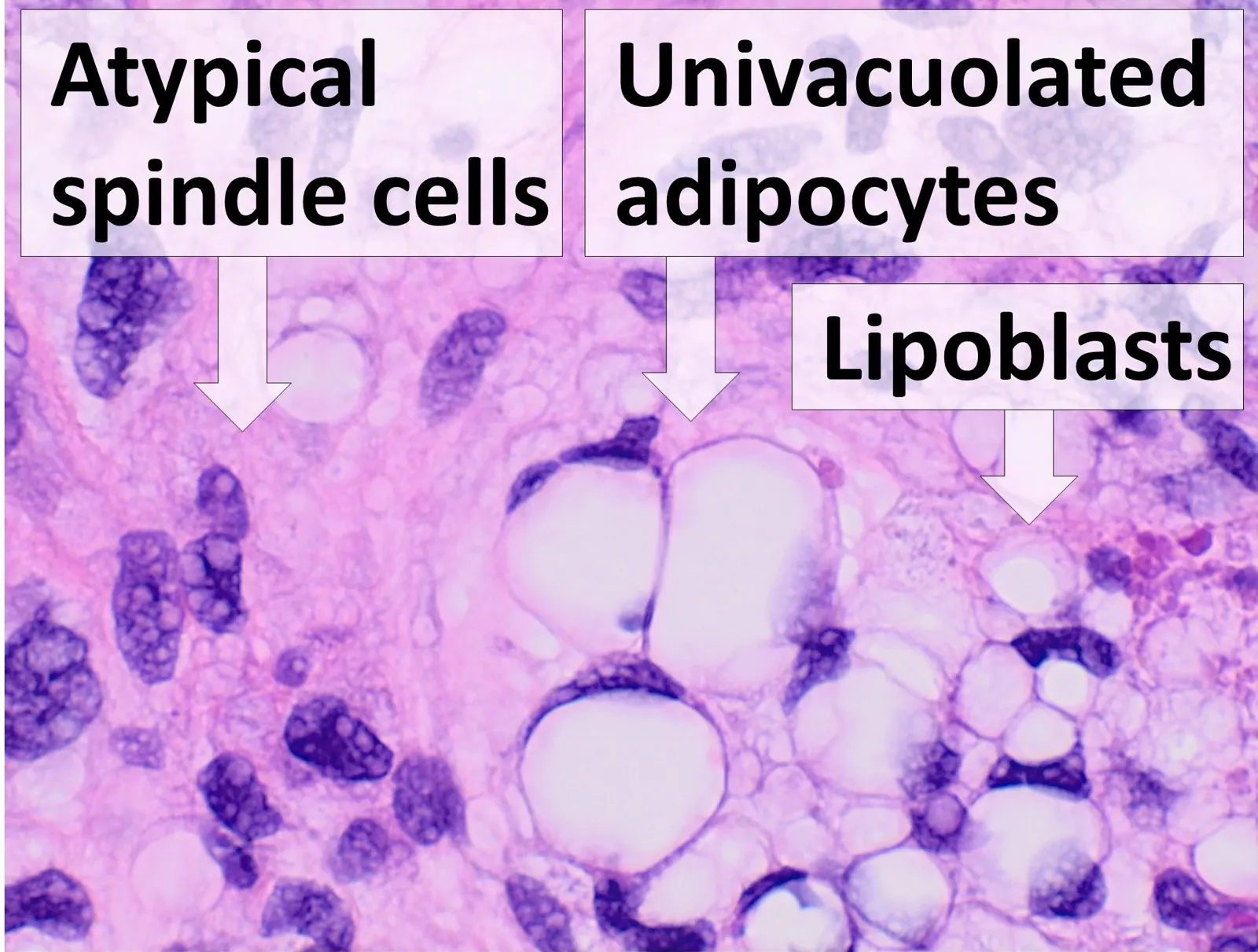
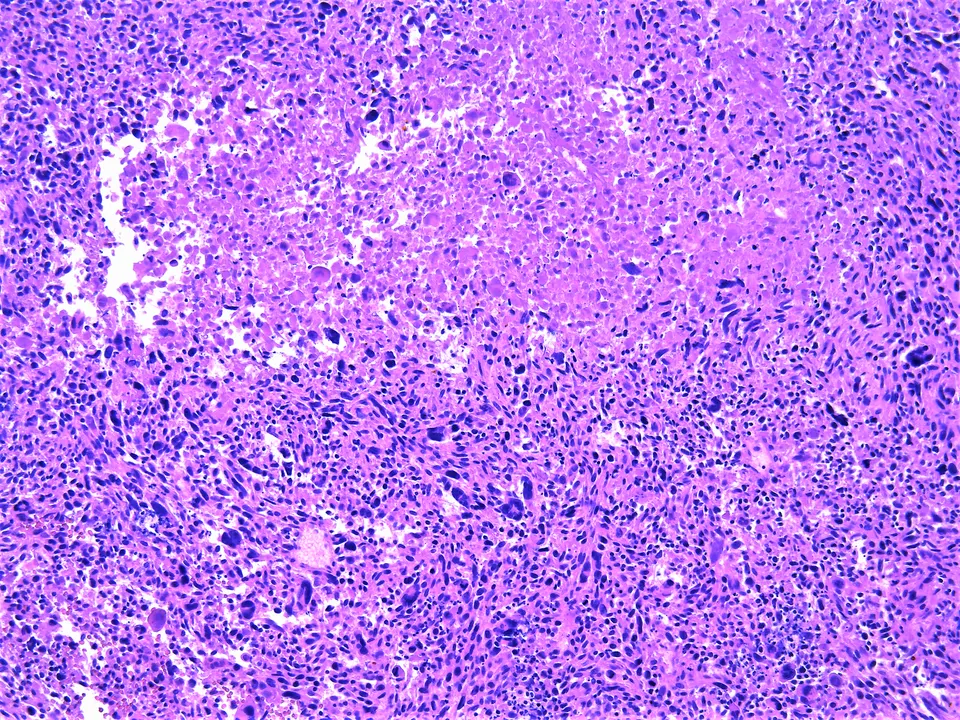
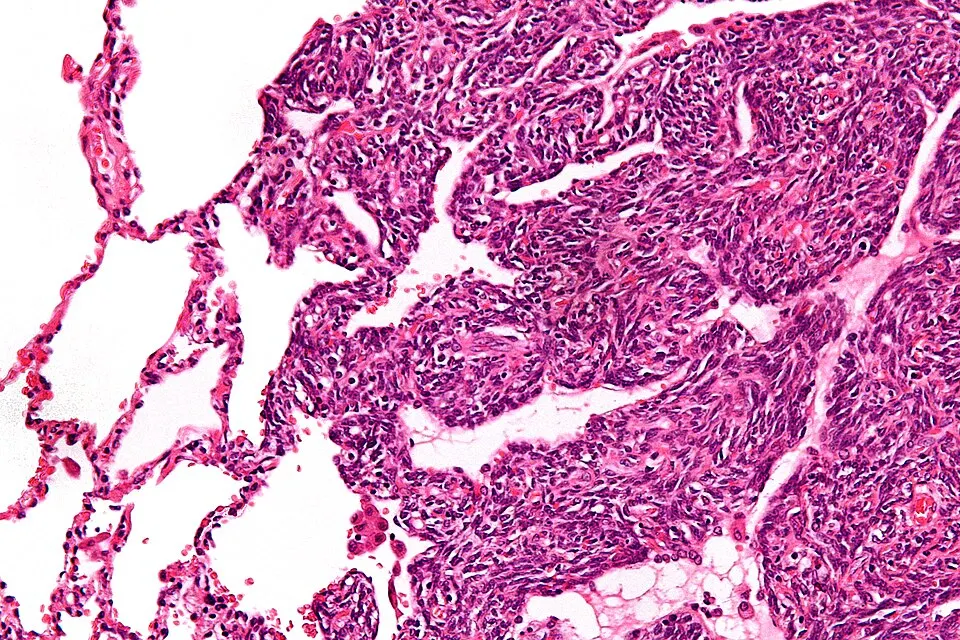
WHO subtype, FNCLCC grade where applicable, mitoses, necrosis, IHC and molecular confirmation driven by the diagnostic question.
Surgery, medical oncology, radiation oncology, radiology and pathology should agree treatment sequencing before major intervention.
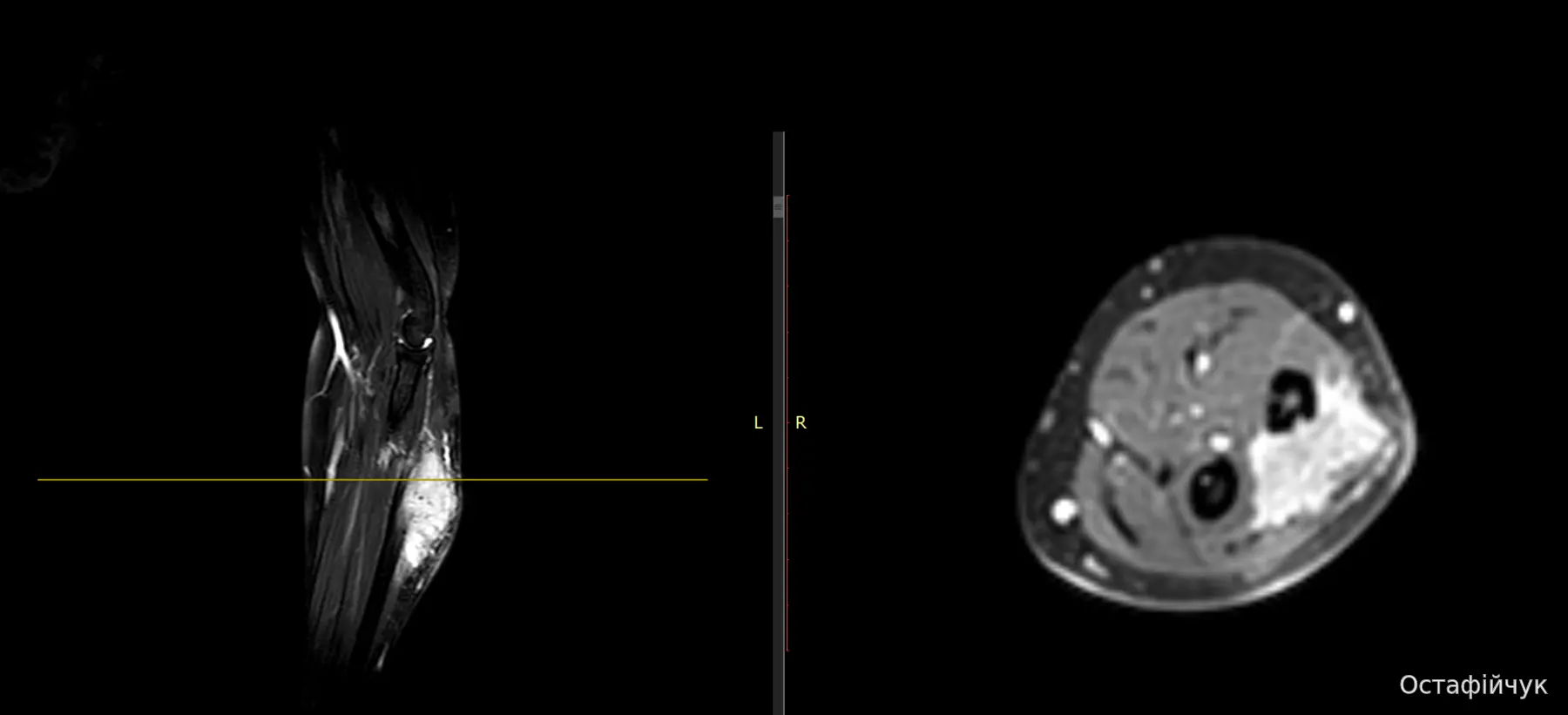
AJCC 8 - extremity and trunk
| Stage | TNM / grade | Summary |
|---|---|---|
| IA | T1 N0 M0, GX/G1 | ≤5 cm, low/unknown grade. |
| IB | T2-T4 N0 M0, GX/G1 | >5 cm, low/unknown grade. |
| II | T1 N0 M0, G2/G3 | ≤5 cm, G2-G3. |
| IIIA | T2 N0 M0, G2/G3 | >5-10 cm, G2-G3. |
| IIIB | T3-T4 N0 M0, G2/G3 | >10 cm, G2-G3. |
| IV | N1 M0 or M1 | For extremity/trunk STS, N1 is stage IV; any M1 is stage IV. |
Retroperitoneal STS differs: N1 M0 is IIIB and M1 is IV. Head/neck and visceral STS use site-specific T, N and M rules without a universal prognostic stage grouping.
Pathology and molecular confirmation
MDM2WDLPS / DDLPSMDM2 amplification supports diagnosis in the correct morphological context.
SS18::SSXSynovial sarcomaA defining fusion, particularly valuable in atypical morphology or location.
SMARCB1 / INI1Epithelioid sarcomaLoss of INI1 commonly supports diagnosis but is not interpreted in isolation.
NTRKNTRK-fusion tumoursRare but potentially actionable.
CIC / BCORRound-cell sarcomasMolecularly defined entities.
COL1A1::PDGFBDFSPDiagnostic and, in selected advanced/unresectable disease, therapeutic relevance.
Local treatment
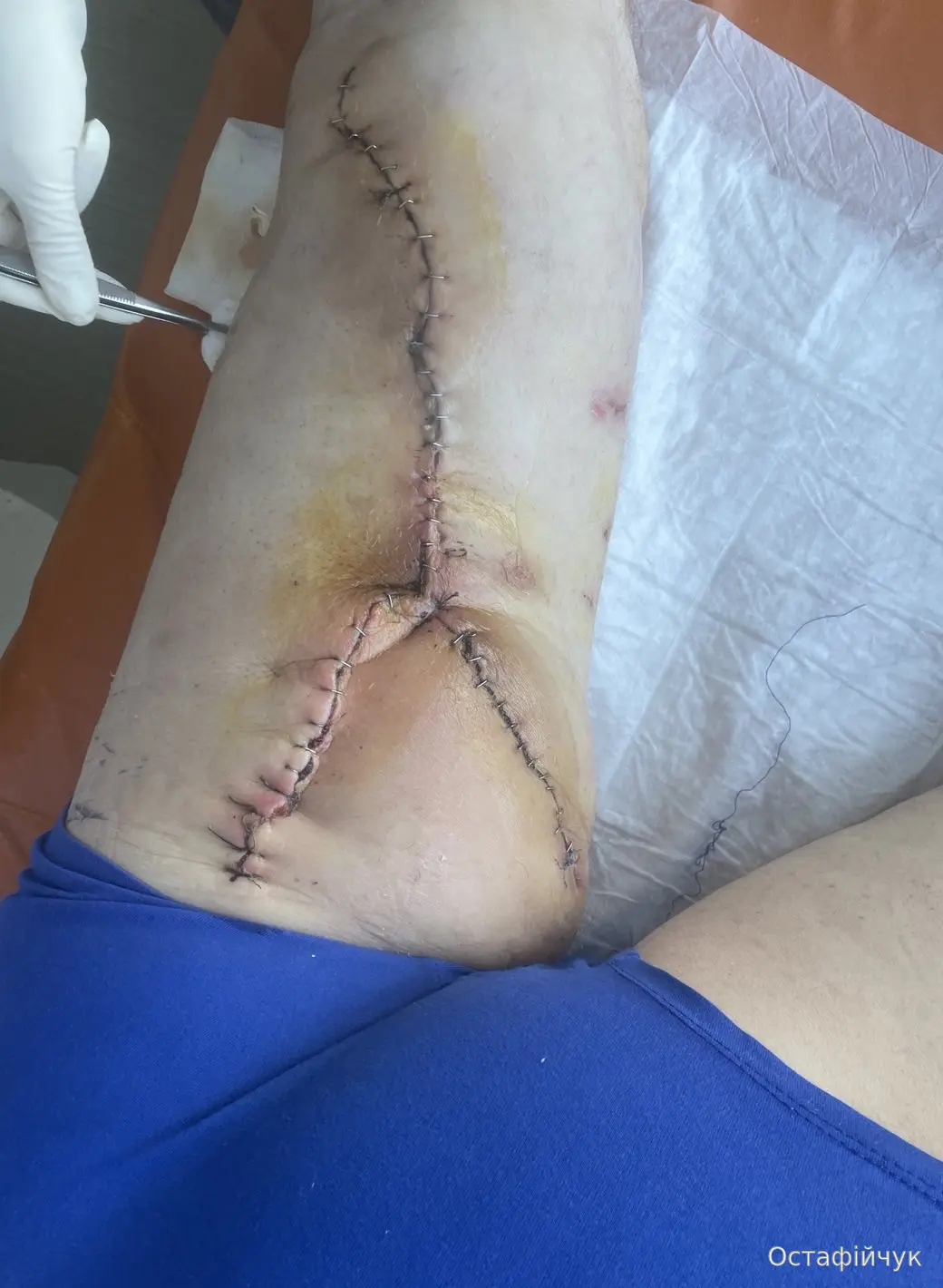
The surgical goal is en bloc resection with an oncologically acceptable margin while preserving function where feasible. A planned close margin against a critical structure can be acceptable within an agreed multimodality strategy. R1 does not automatically mean amputation, and R0 does not mean zero recurrence risk.
≈50 Gy conventional fractionation
Usually smaller treatment volumes and less late fibrosis, but greater early wound-healing morbidity.
≈60-66 Gy conventional fractionation
Lower early wound risk, but larger fields and greater late fibrosis, oedema and functional morbidity.
Systemic treatment
Doxorubicin remains a first-line backbone; doxorubicin + ifosfamide is considered when greater tumour shrinkage is particularly important and higher toxicity is acceptable.
LMS04 supports doxorubicin + trabectedin followed by maintenance trabectedin, with improvement in PFS and OS compared with doxorubicin.
Trabectedin and eribulin have histology-specific roles after prior treatment.
US Tecelra indication: specified HLA-A*02 alleles, MAGE-A4-positive unresectable/metastatic disease after prior chemotherapy; age 12+ since 2026.
Atezolizumab has a dedicated evidence-based role in unresectable/metastatic ASPS.
Pulmonary metastases
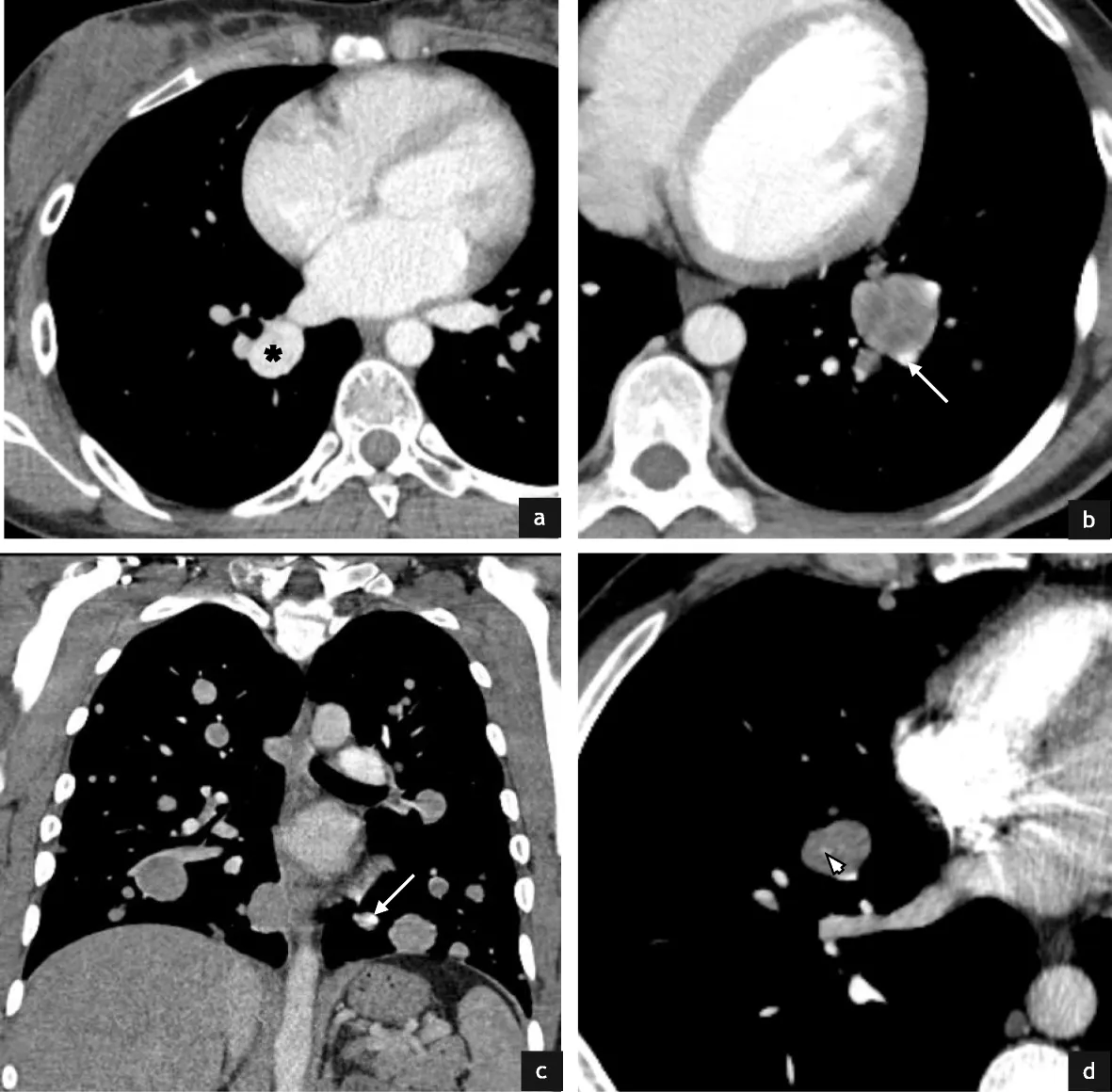
Oligometastatic disease should be assessed by disease-free interval, number and resectability of lesions, extrapulmonary disease and subtype biology.
Pulmonary metastasectomy, stereotactic body radiotherapy (SBRT) and thermal ablation can be local options in selected patients; direct randomised comparative evidence remains limited.
Ministry of Health Standard No.1434 is the national framework for extremity/trunk STS, while DFSP has a dedicated Protocol No.828 (2026). Where contemporary international guidance differs from older national wording, the distinction should be explicit in MDT decision-making.
The pathway matters
Reference-center care is not simply a matter of surgical volume. GEIS and NETSARC link specialist-center management with better biopsy quality, surgery, fewer repeat procedures and better oncological outcomes.
GEIS 2018: 3-year overall survival 82% in reference centers vs 70.4% in local hospitals. NETSARC 2019: surgery in a reference center was associated with better overall survival (HR 0.681). Observational data. GEIS · NETSARC.
Open international resources and leading centers
Continuously updated professional overview of diagnosis and treatment.
NCI Imaging Data CommonsOpen STS imaging datasetOpen MRI, CT, PET/CT and RTSTRUCT collection for soft-tissue sarcoma.
Memorial Sloan KetteringDiagnosis and expert pathologySpecialist-center guidance on biopsy, pathology and molecular diagnostics.
Dana-FarberSoft Tissue Sarcoma CenterPatient pathway and multidisciplinary sarcoma care.
Gustave RoussySarcoma referral pathwayNETSARC+ expert-center approach: assessment before biopsy, expert pathology and MDT.
NCI Genomic Data CommonsTCGA Sarcoma StudyOpen molecular data and resources from the sarcoma study.
Images from international centers are mirrored only when the reuse policy or a specific license explicitly permits it. Otherwise we link to the original resource.