Bone tumour treatment and limb preservation
Local control and safe function are planned together.
One label, very different treatments
Multidisciplinary planning combines validated pathology, tumour grade, systemic spread and realistic limb function. An MRI alone cannot determine whether surgery or chemotherapy is the first step.
Limb-sparing excision
Adequate oncological margins should not be compromised for easier reconstruction. The plan accounts for neurovascular structures, joints, bone and soft-tissue extent and expected margin status.
Restoring function
- Curettage and local adjuvants for appropriately selected lesions, never as a universal sarcoma operation.
- Bone grafts, cement and fixation in selected settings.
- Modular endoprostheses for segmental bone and joint replacement.
- Arthrodesis where durable stability matters more than motion.
- Amputation when necessary for appropriate oncological control and patient safety.
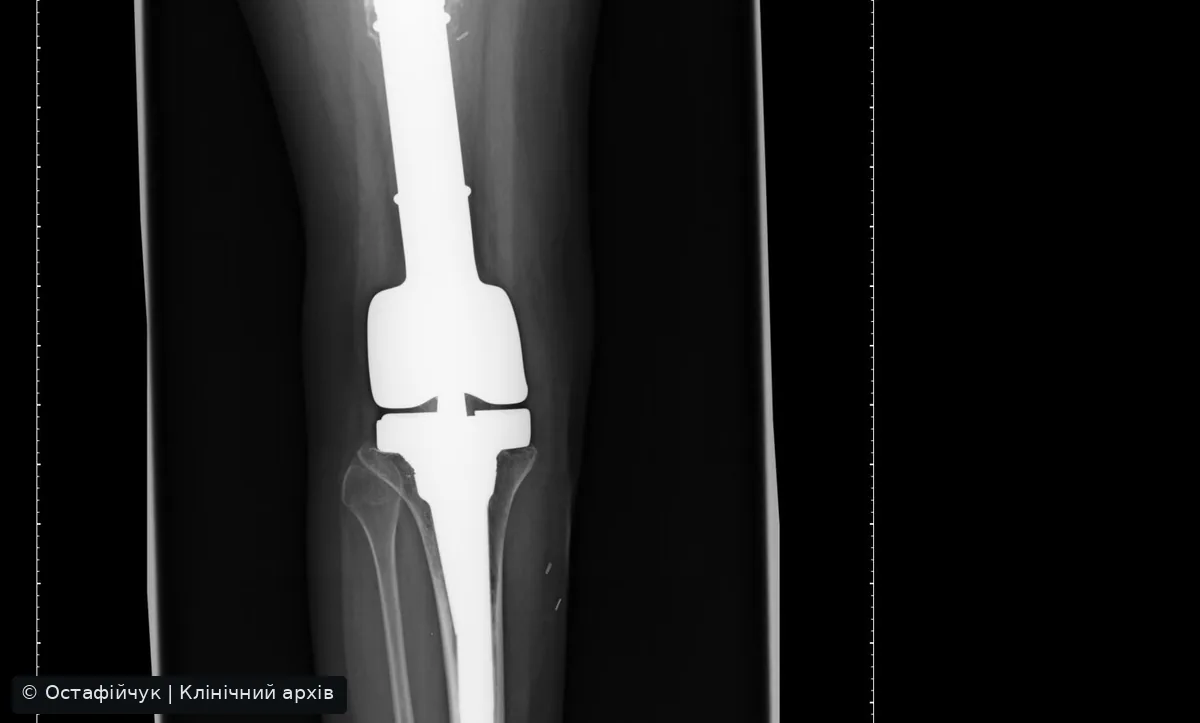
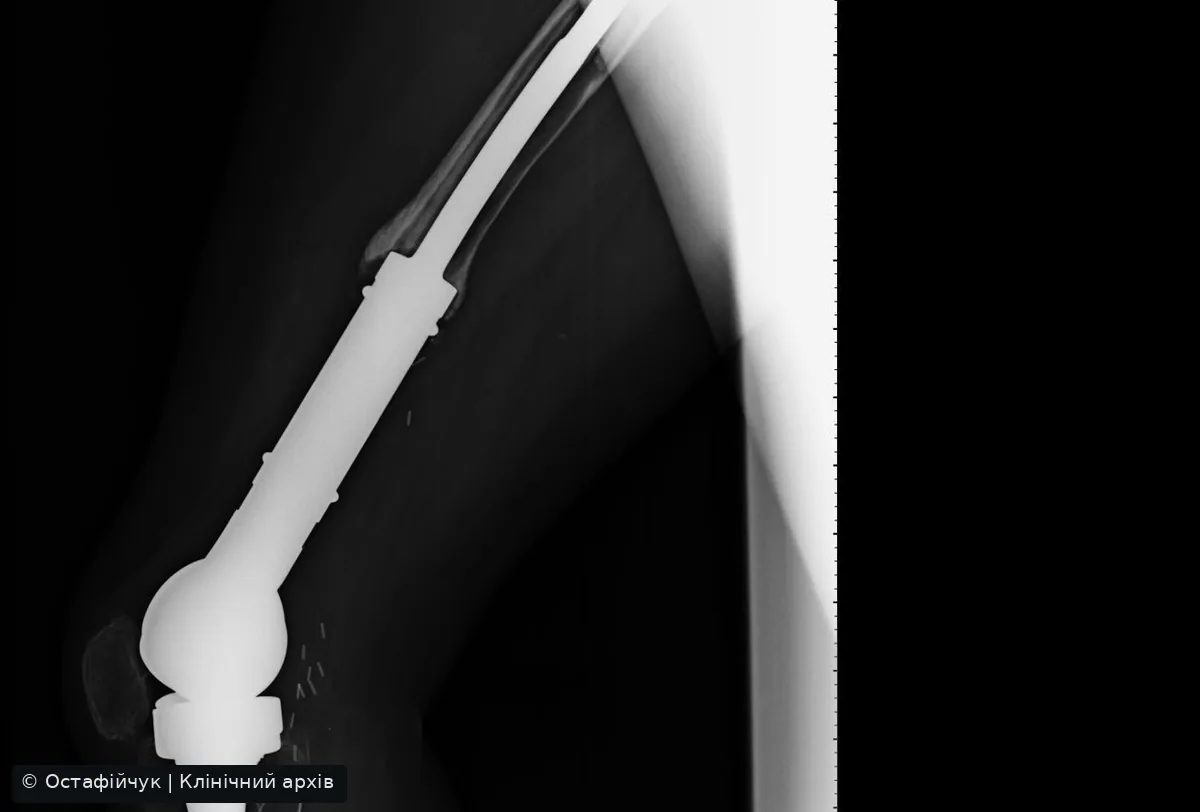
Systemic and radiotherapy
High-grade osteosarcoma: multiagent chemotherapy and definitive surgery in suitable patients. Ewing sarcoma: systemic therapy with surgery and/or radiotherapy for local control. Conventional chondrosarcoma: surgery is central in most localised cases; unusual histological variants differ.
Giant cell tumour: local management based on bone and joint integrity; denosumab only in selected scenarios. Bone metastases: management depends on primary tumour, prognosis, symptoms and mechanical stability; radiotherapy, systemic therapy and orthopaedic stabilisation can be combined.
Rehabilitation and surveillance
Follow-up covers recurrence and distant progression but also wound healing, infection, implant integrity, pain, mechanical complications and functional recovery. Surveillance intensity is individualised to tumour type, grade, treatment and risk.
Clinical sources
- UK guidelines for the management of bone sarcomas, 2025
- ESMO-EURACAN-GENTURIS-ERN PaedCan, Bone Sarcoma CPG
- NCI Osteosarcoma Treatment (PDQ)
- NCI Ewing Sarcoma Treatment (PDQ)
Clinical images and videos from the author’s archive. Patient identifiers have been removed. Diagnoses are stated only where supported by source records. This information does not replace an individual multidisciplinary decision.