Mucosal melanoma · anorectal region

Anorectal melanoma

A rare malignancy whose symptoms may mimic common anorectal conditions. Persistent or unexplained bleeding, pain or a palpable mass warrants examination and, when appropriate, endoscopy.

What a patient may notice

Symptoms often resemble common anorectal conditions

Anorectal melanoma is rare, and bleeding or pain is far more often caused by other conditions. Persistent or progressive symptoms still deserve examination.

Bleeding

Blood in stool, on toilet tissue or repeated episodes of rectal bleeding.

Pain or discomfort

Persistent pain, burning or pressure in the anorectal region.

A lump or mass sensation

A palpable change or feeling of a foreign body.

Tenesmus or bowel-habit change

A sense of incomplete evacuation or new changes in frequency or character of bowel movements.

Important: not every episode of bleeding is cancer, but recurrent or unexplained bleeding should not automatically be attributed to haemorrhoids without examination.
Real pathway

Endoscopy → pelvic MRI → pathology → surgical planning

A 2026 open-access case report illustrates all four stages with a coherent image set.
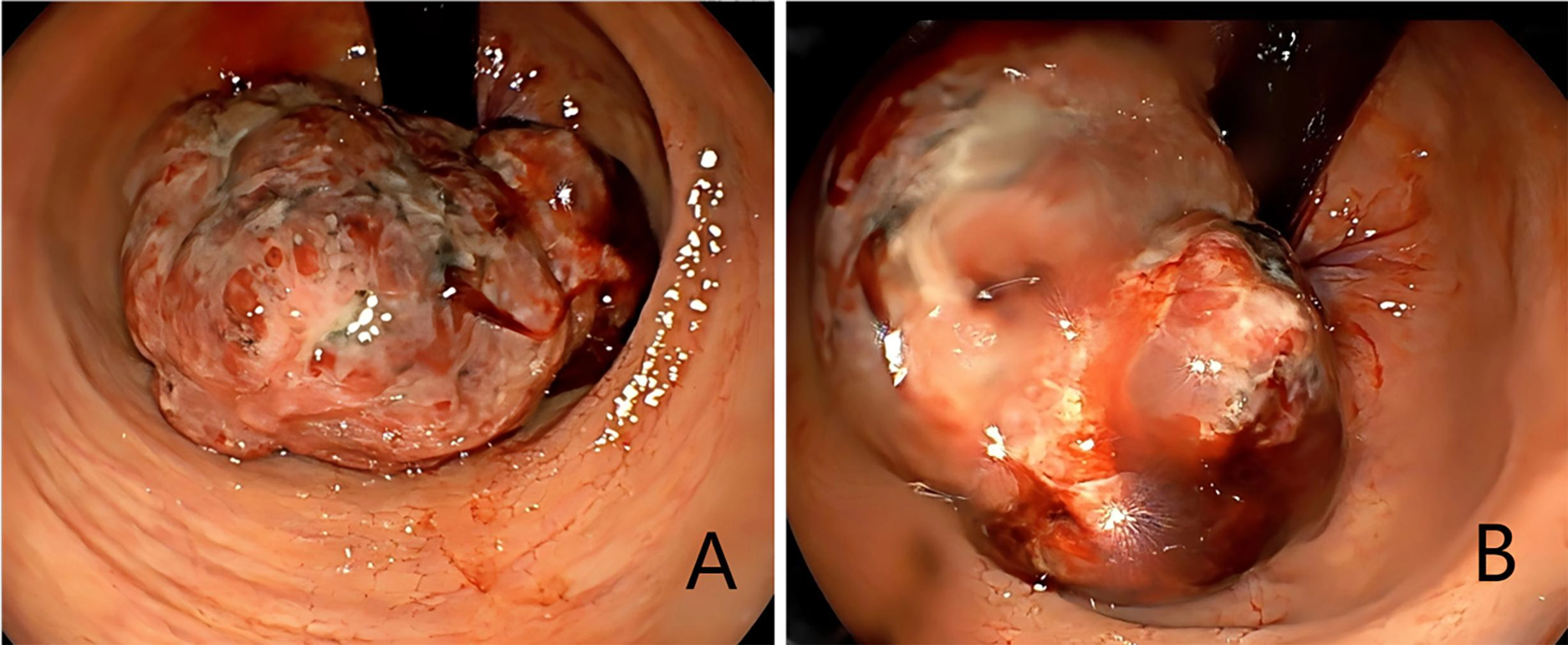
Colonoscopy of anorectal melanoma
ColonoscopyIrregular ulcerated anorectal tumour.Source · CC BY
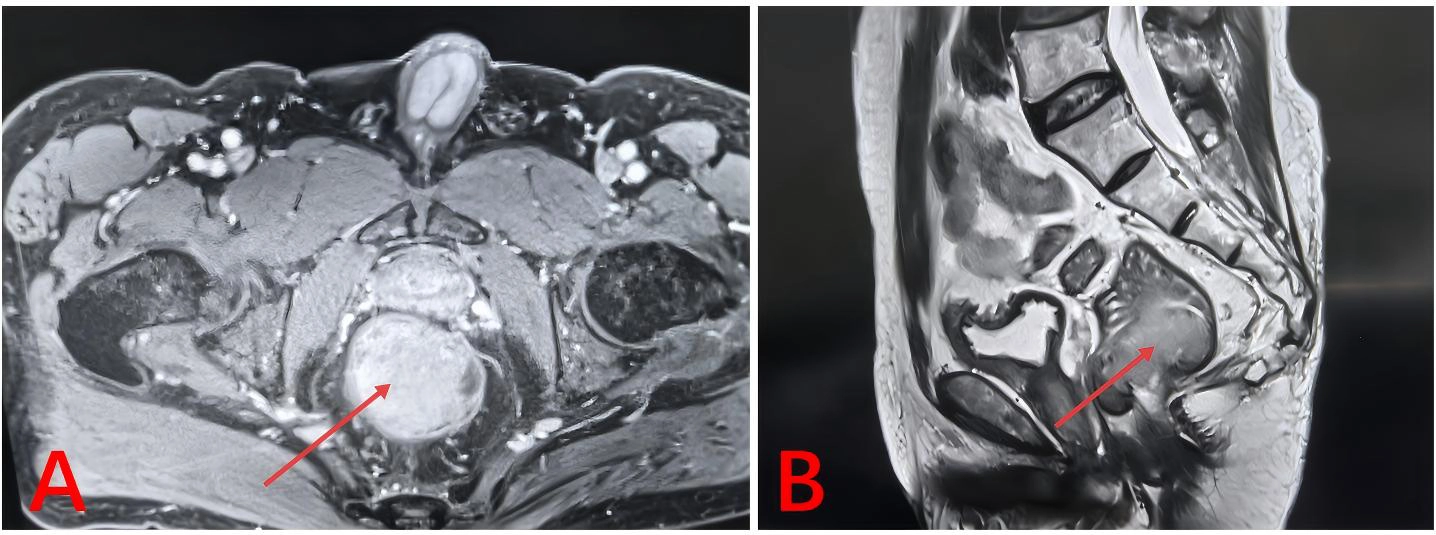
Pelvic MRI of anorectal melanoma
Pelvic MRIAxial and sagittal assessment of tumour and surrounding structures.Source · CC BY
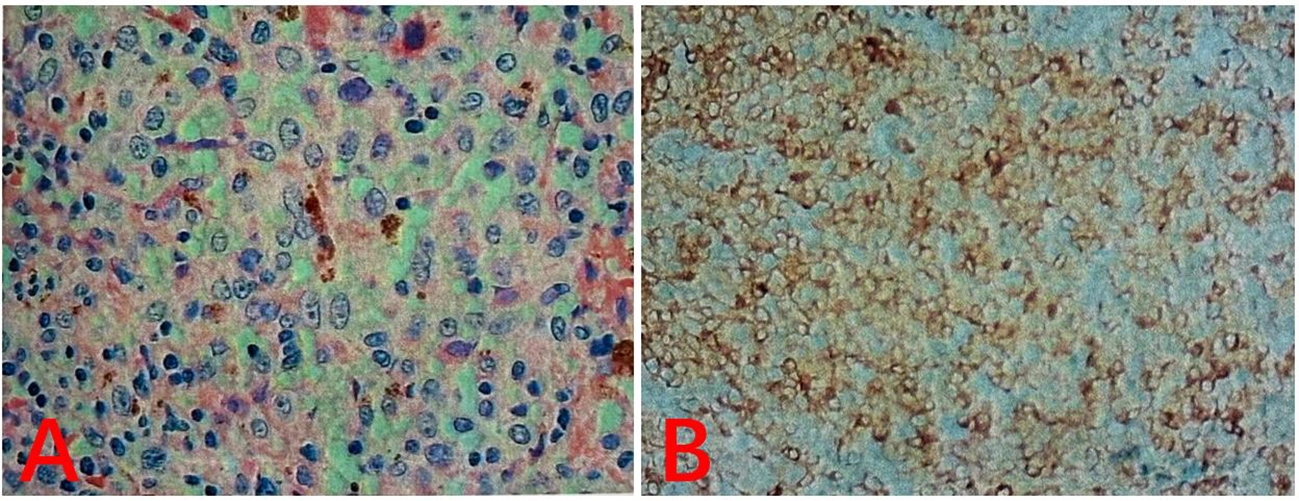
Histology and immunohistochemistry of anorectal melanoma
H&E + IHCMorphology and melanocytic markers support the diagnosis in the appropriate context.Source · CC BY
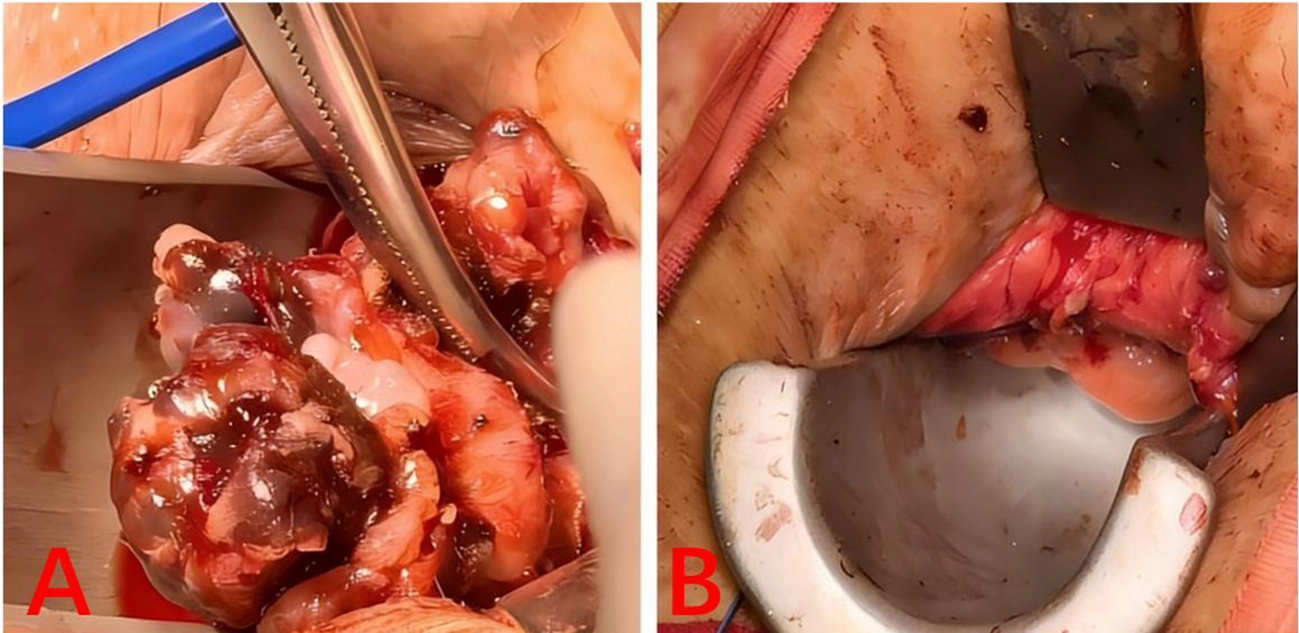
Sphincter-preserving local excision of anorectal melanoma
Operative exampleTechnical illustration of sphincter-preserving excision; a single case report does not establish superiority of this strategy.Source · CC BY
Surgical strategy

Not an automatic choice between a “small” and a “large” operation

Management depends on achievable local control, sphincter and adjacent-organ involvement, functional cost and the presence of systemic disease.

Local excisionMay be considered in selected resectable cases when adequate local control can be achieved while preserving function.
More radical surgeryDriven by anatomic extent rather than by the diagnosis alone when adequate local excision is not feasible.
NodesRegional management is individualized; routine SLNB does not have the evidence base established for cutaneous melanoma.
Systemic riskDistant staging and systemic options are critical before undertaking major function-sacrificing surgery.