Recommendation from a professional guideline or site-specific consensus.
Patients with mucosal melanoma were actually included in the analysis.
Strategy transferred from cutaneous melanoma because of limited direct data and explicitly labelled as such.
There is no single local algorithm for all mucosal melanomas
Anatomic site determines staging, imaging, regional basins, resection options and the functional cost of treatment.
| Site | Staging / imaging | Nodes / SLNB | Local strategy |
|---|---|---|---|
| Sinonasal → | Head & neck mucosal staging; local MRI/CT and systemic staging; REFCOR 2026 | REFCOR: no routine prophylactic treatment of the cN0 neck | Complete resection when feasible + postoperative RT in contemporary consensus |
| Oral → | Head & neck mucosal staging; anatomy-driven CT/MRI | Routine SLNB lacks cutaneous-level evidence | Oncologic resection balanced against speech, swallowing and reconstruction |
| Anorectal → | Endoscopy + pelvic MRI + systemic staging | SLNB not established as routine standard | Function-preserving local excision versus more radical surgery individualized; evidence largely retrospective |
| Vulvar / vaginal → | Gynaecologic examination + pelvic MRI + systemic staging | Vulvar SLNB may be considered in selected cN0 disease but evidence is limited/extrapolated; vaginal data are weaker | Avoid automatic radicality; margins, anatomy, function and systemic risk drive decisions |
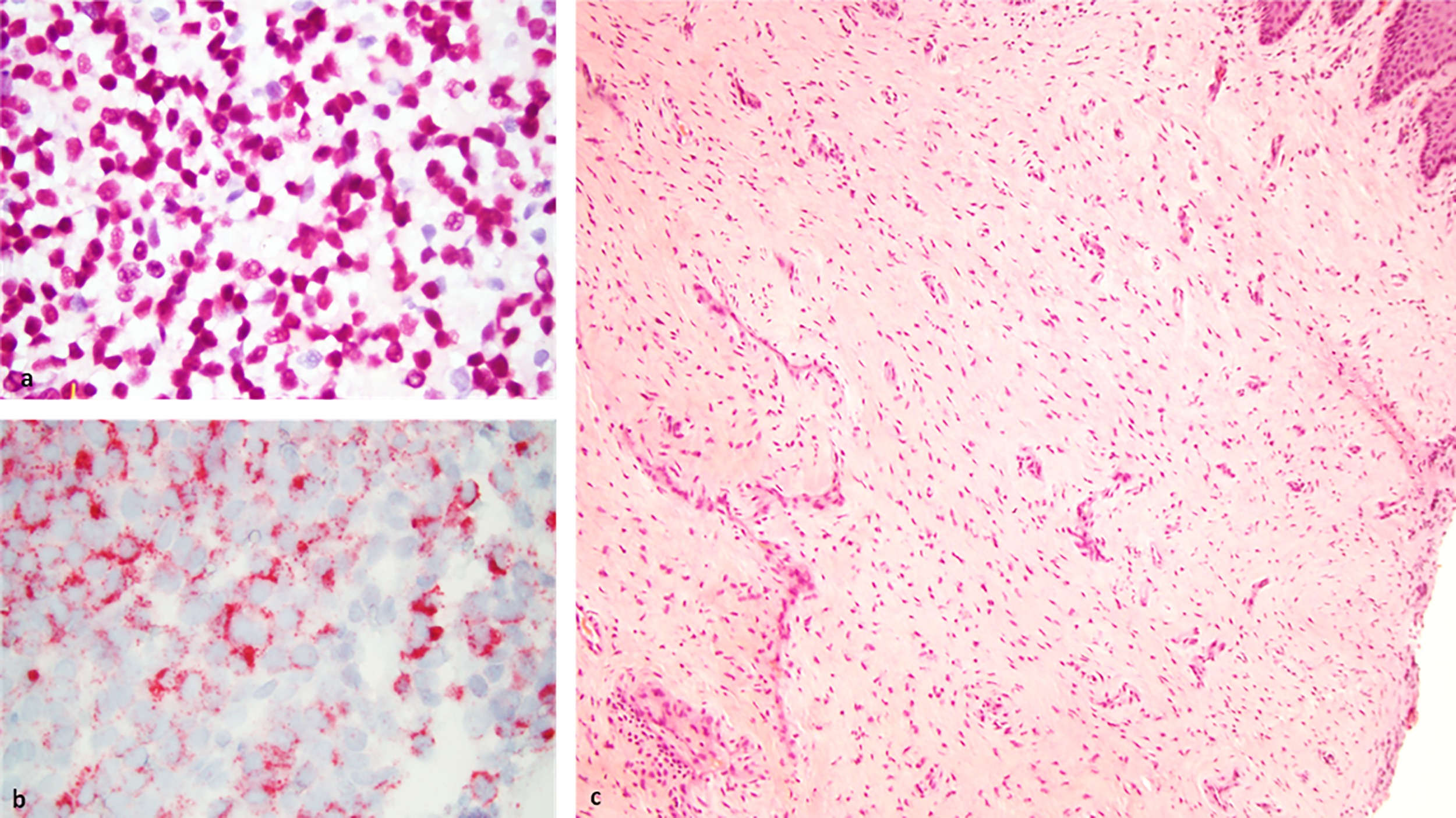
Amelanotic and poorly differentiated lesions require a deliberate panel
Morphology remains central. SOX10, S100, Melan-A and HMB45 are interpreted as a panel; PRAME can be a useful adjunct in selected difficult melanocytic lesions but is not a standalone diagnostic test.
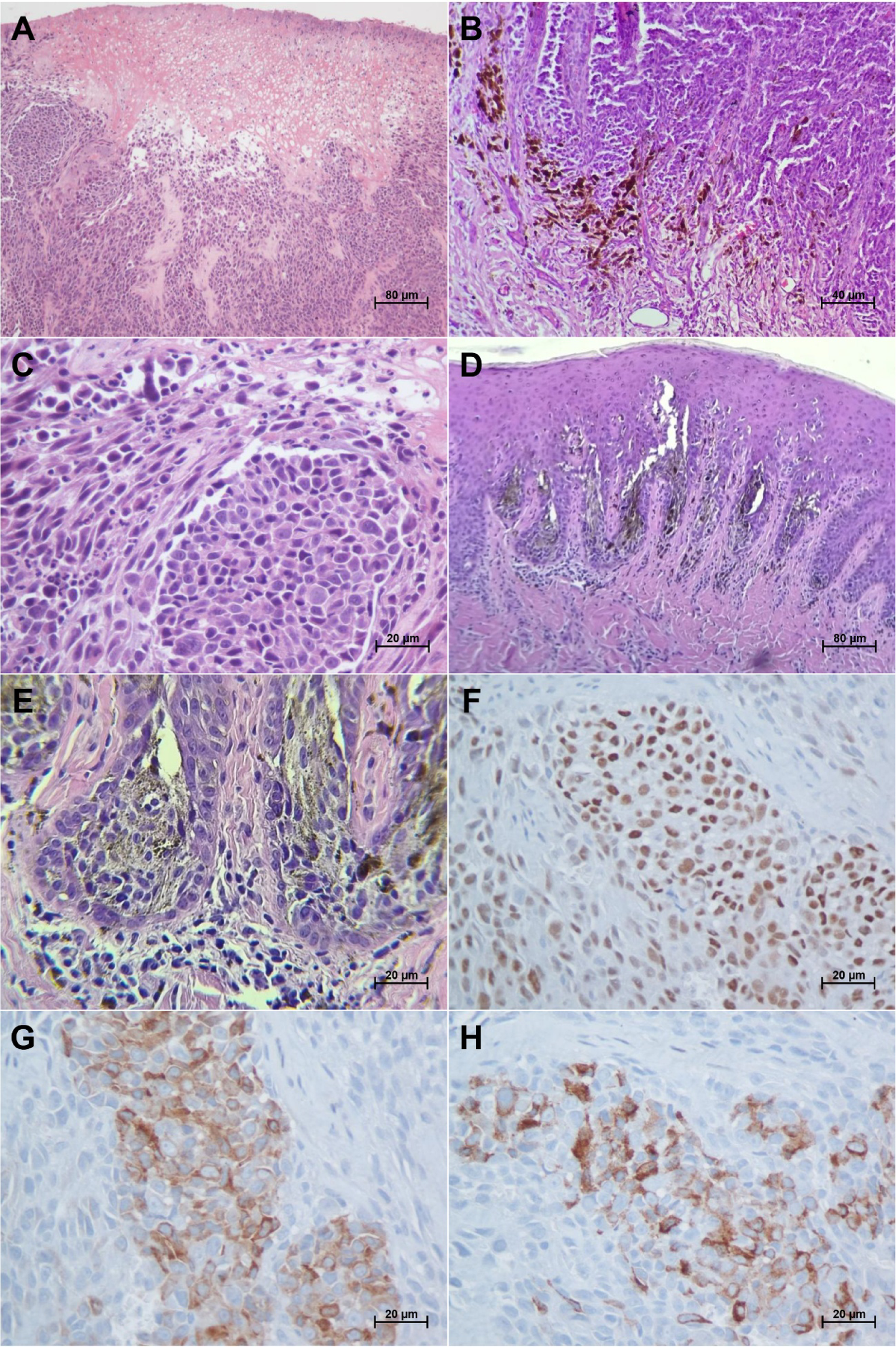
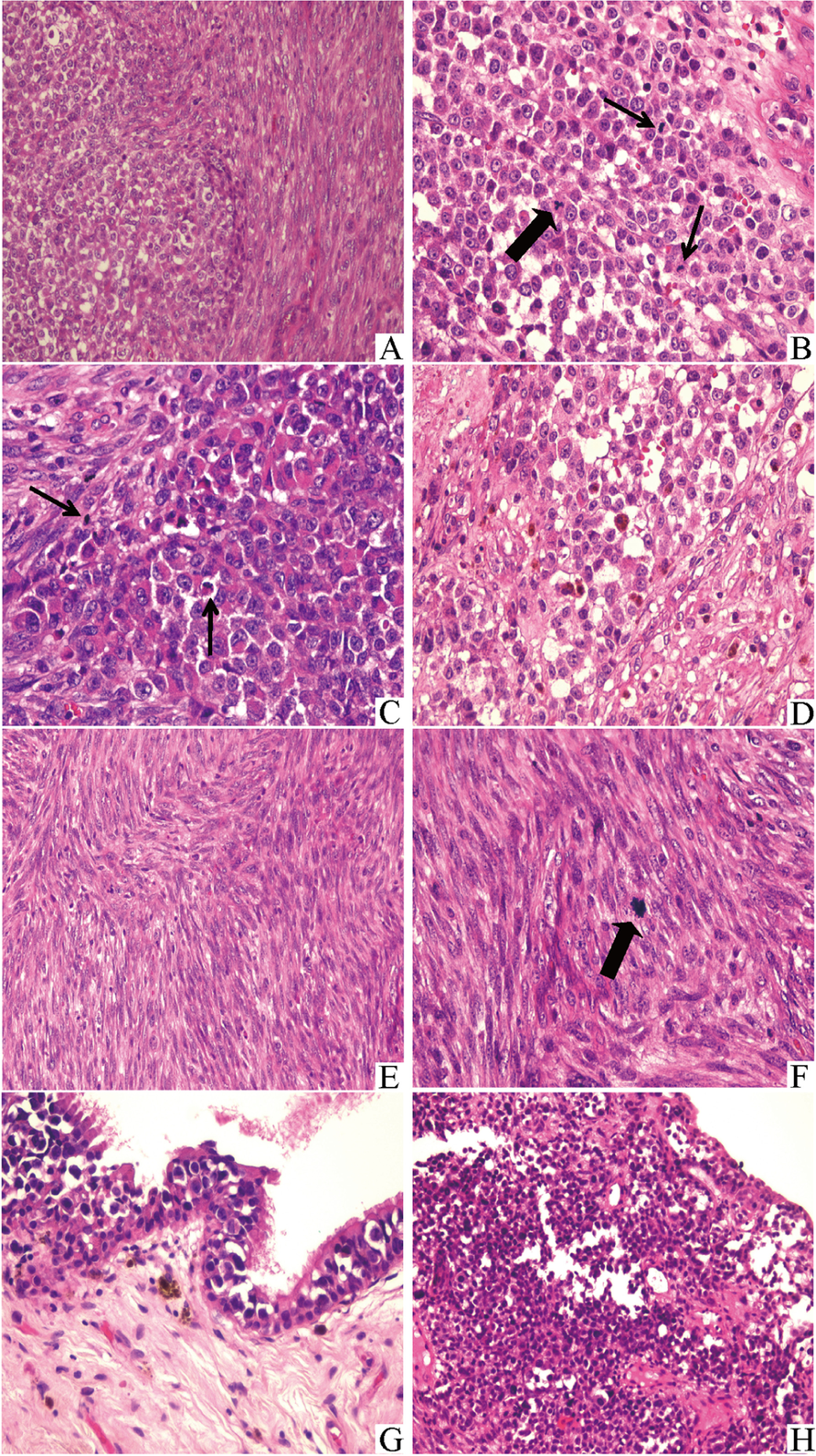
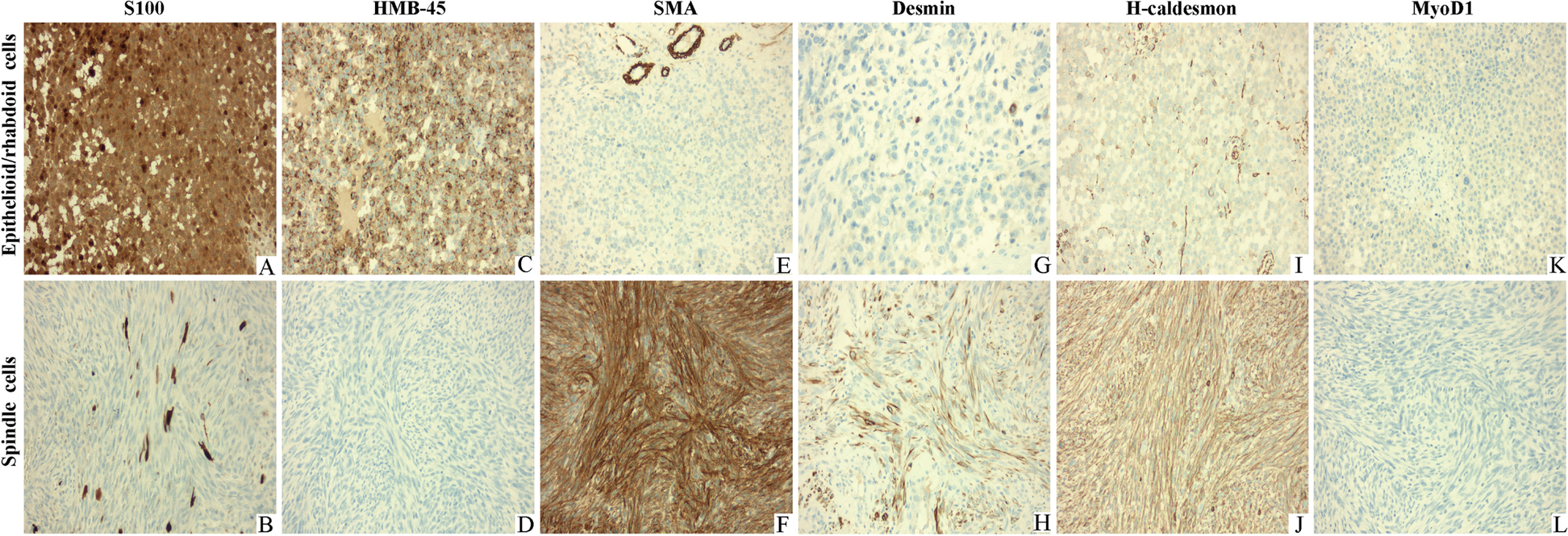
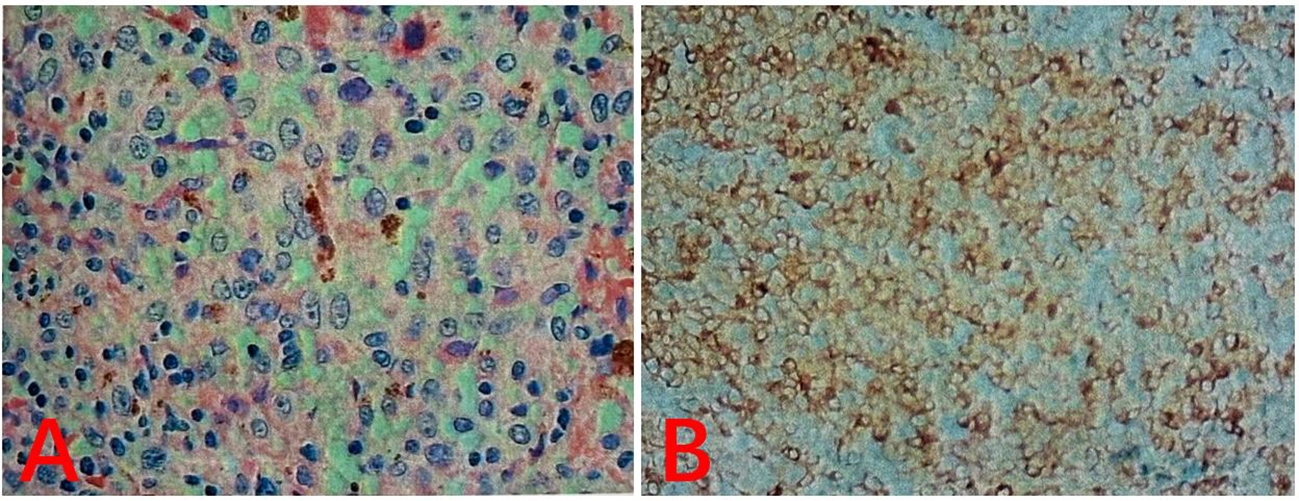
Prognostic ≠ predictive ≠ actionable
Mucosal melanoma has a genomic landscape distinct from typical UV-driven cutaneous melanoma. A test matters when it classifies disease, changes management or opens a trial.
| Alteration | Practical meaning in 2026 | Status |
|---|---|---|
| KIT activating mutation | Can predict benefit from KIT inhibition in selected advanced disease; response depends on the alteration. | Actionable in selected cases |
| KIT amplification only | Not equivalent to an activating mutation. Phase II imatinib responses occurred in the mutated cohort, not amplification-only disease. | Do not overcall |
| BRAF V600 | Rare but predictive for a BRAF/MEK strategy when the alteration is truly V600. | Actionable |
| BRAF non-V600 | Do not automatically apply the V600 algorithm. | Variant-specific |
| NRAS / NF1 | Biologic classification and trial selection; no simple standard matched therapy equivalent to BRAF V600. | Context / trials |
| SF3B1 | Particularly described in anorectal/female-genital mucosal melanoma; mainly biologic/classification value. | Not routine predictive |
| Broad NGS | Reasonable in advanced rare melanoma if it can identify a target or trial; guideline strength varies by site/context. | Precision-oncology strategy |
Systemic therapy: what direct mucosal cohorts actually showed
ICI remain the systemic backbone, but average activity is lower than in cutaneous melanoma. VEGF/PD-1, perioperative and cellular strategies are promising, but several remain investigational.
| Regimen / study | Mucosal cohort | Result | Interpretation |
|---|---|---|---|
| Pembrolizumab KEYNOTE pooled | n=84 | ORR 19%; mPFS 2.8 mo; mOS 11.3 mo | Direct mucosal cohort |
| Nivolumab pooled | n=86 | ORR 23.3%; mPFS 3.0 mo | Direct mucosal cohort |
| Nivolumab + ipilimumab | n=35 | ORR 37.1%; mPFS 5.9 mo; grade 3/4 TRAE 40% | Direct mucosal cohort |
| Toripalimab + axitinib phase Ib | 29 evaluable | ORR 48.3%; mPFS 7.5 mo | Promising, single-arm |
| Nivolumab + axitinib phase II 2026 | 20 evaluable | ORR 45%; CR 20%; mPFS 6.4 mo; grade 3–5 TRAE 67%, 2 treatment-related deaths | Investigational |
| Perioperative pembrolizumab + lenvatinib phase II 2026 | 21 operated | Pathologic response 38.1%; pCR 9.5%; primary endpoint not met | Investigational |
| Lifileucel TIL post-ICI subgroup | n=12 treated | ORR 50%; very small cohort | Promising, small cohort |
| Imatinib KIT-altered phase II | KIT-mutated subset | Response 7/13 (54%) in KIT-mutated; 0% in amplification-only | Biomarker-selected |
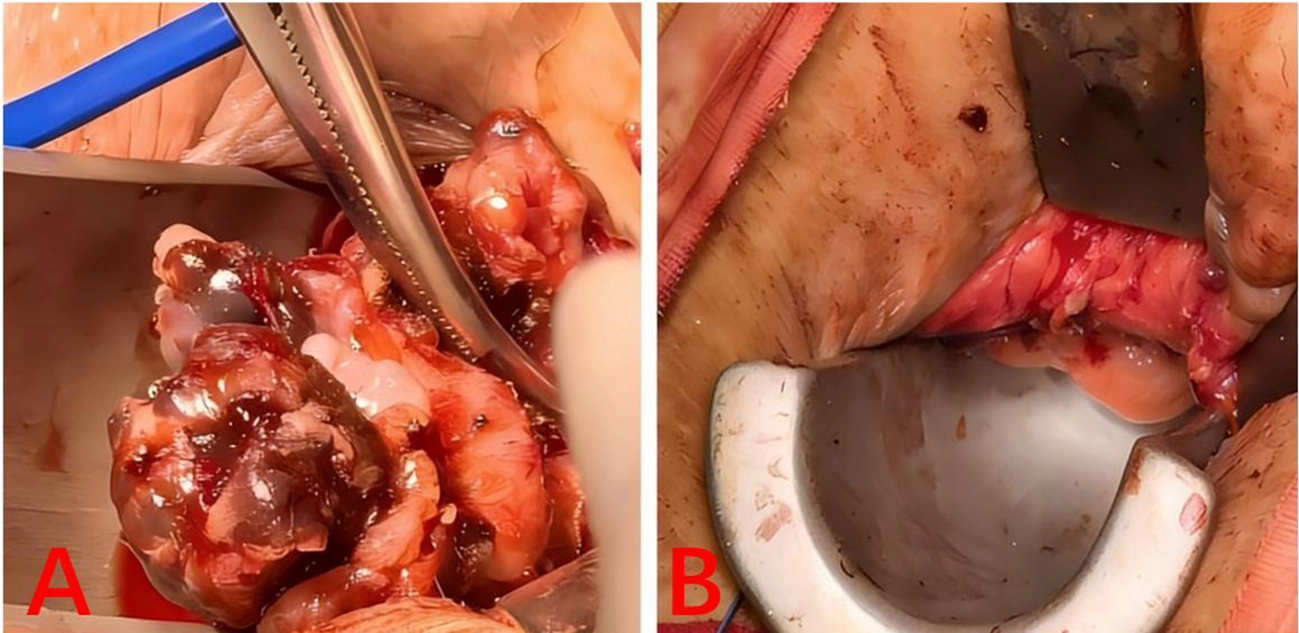
Function-preserving surgery: illustration, not proof of superiority
Clinical media can demonstrate anatomy and technique without turning an individual case into a treatment recommendation.
International standard ≠ automatic availability in Ukraine
Registration, funding and real availability of each systemic option or clinical trial must be verified separately and contemporaneously.
Primary sources
Guideline/consensus and direct mucosal cohorts take priority; reviews are not substituted for original data when the latter are available.