Limb-sparing surgery: resection and reconstruction
Even locally advanced sarcoma does not automatically require amputation. The key questions are whether an adequate resection, safe reconstruction and useful limb function are achievable.
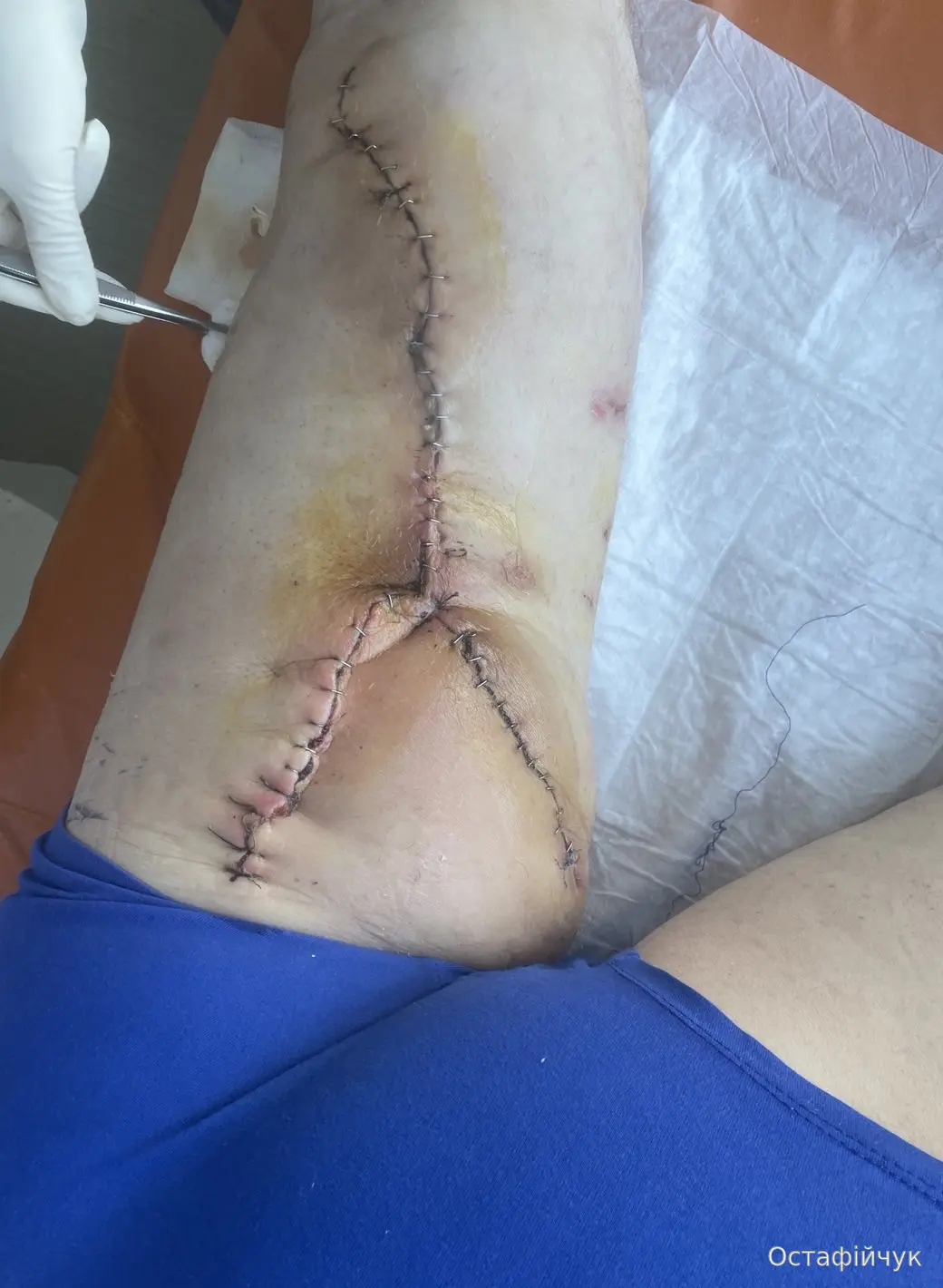
Clinical case
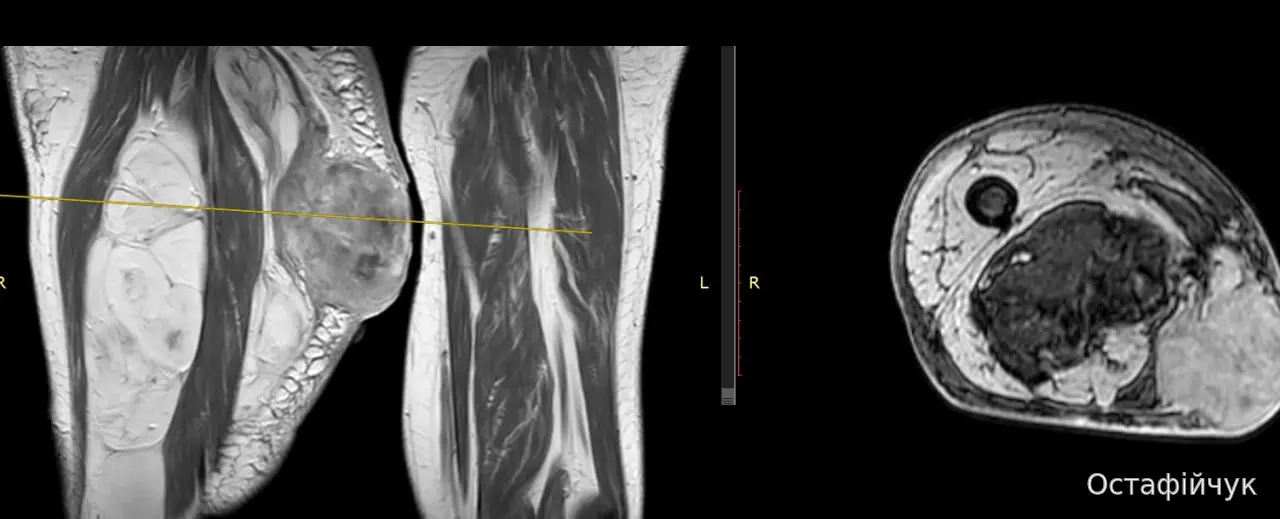
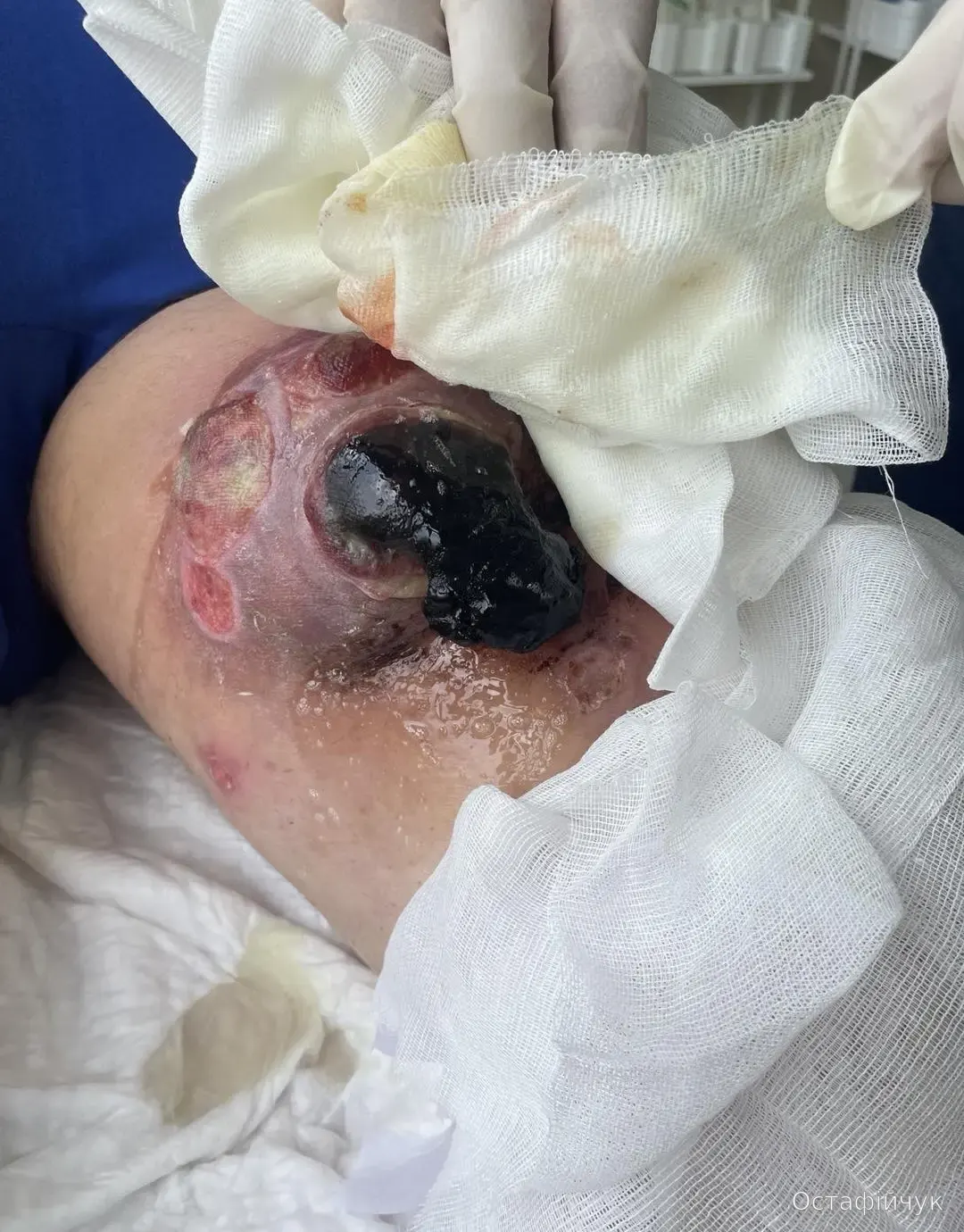
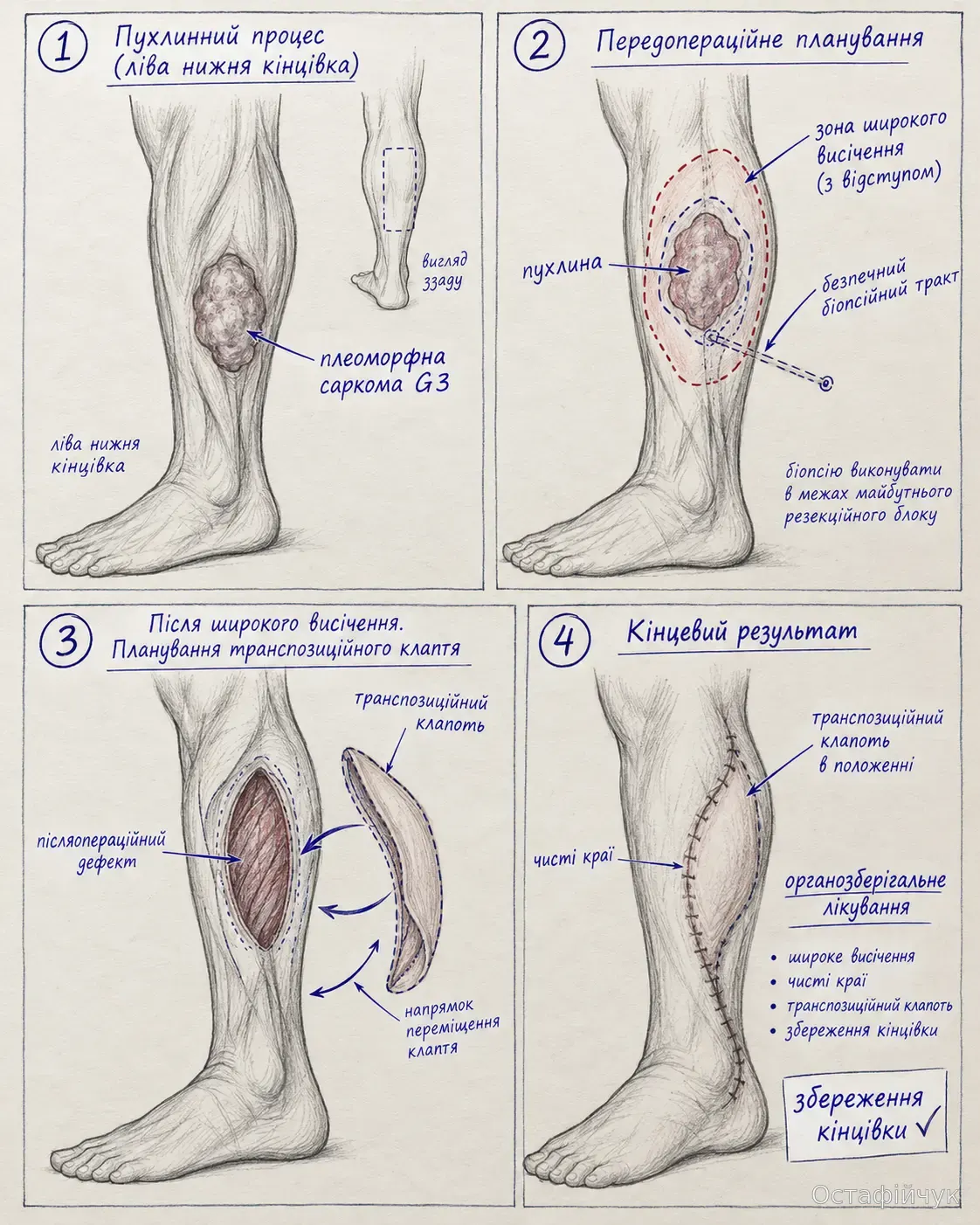
What this demonstrates
Limb preservation starts with a plan for oncologically adequate tumour removal, not with the choice of flap. Reconstruction then needs to cover the defect with viable tissue, tolerate subsequent treatment and support functional recovery.
The goal: not to preserve the limb at any cost, but to combine cancer control with the best achievable function and quality of life.
Images are de-identified and published with confirmed consent. They explain treatment principles and do not replace an individual consultation.
Related resources
The pathway starts before surgery
Limb-sparing surgery is more than tumour removal. In a specialized sarcoma treatment unit, margins, vessels and nerves, reconstruction, radiotherapy and future function are planned together.
GEIS 2018 reported 3-year overall survival of 82% in reference centers vs 70.4% in local hospitals. NETSARC 2019 found surgery in a reference center independently associated with better overall survival (HR 0.681). These are observational data, not randomized comparisons. GEIS · NETSARC.